Jacob Elordi as Elvis Everything We Know About the Most Exciting Casting Decision in Years

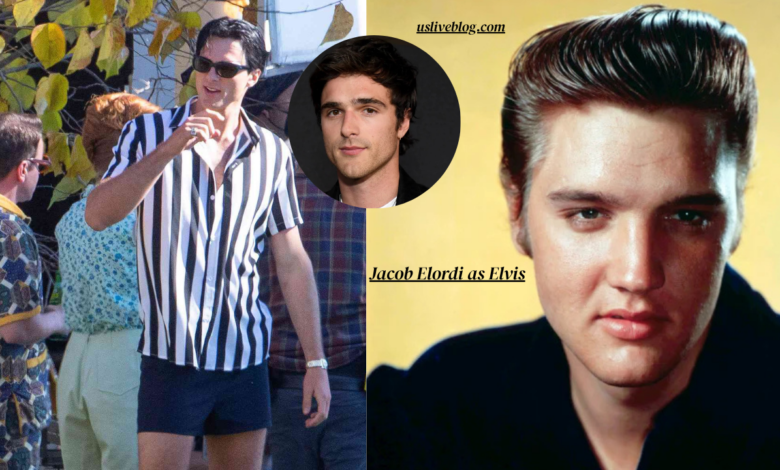
Jacob Elordi as Elvis Hollywood has a complicated history with Elvis Presley biopics and portrayals. The King of Rock and Roll is one of those cultural figures so enormous, so deeply embedded in the collective memory, that any actor stepping into his shoes carries an almost impossible weight of expectation. So when serious conversation began circulating about Jacob Elordi as Elvis in an upcoming project, the reaction was immediate, passionate, and genuinely fascinating to watch unfold. This isn’t just another casting rumor it’s a conversation about whether one of the most compelling young actors working today has what it takes to embody the most iconic entertainer who ever lived.
Why Jacob Elordi as Elvis Makes Complete Sense
Before diving into the details, it’s worth addressing the fundamental question — why does Jacob Elordi as Elvis feel so instinctively correct to so many people who follow both the actor and the Elvis legacy closely? The answer becomes obvious the moment you think about it seriously. Elordi possesses a rare combination of physical magnetism, brooding intensity, and genuine acting depth that maps remarkably well onto what Elvis Presley actually was as a human being — not the caricature, but the real and complicated man beneath the rhinestones.
Physically, the parallels are genuinely striking. Jacob Elordi as Elvis works on a visual level that goes beyond surface resemblance. Both men share an imposing height, dark features, a particular quality of presence that fills a room without apparent effort. Elvis was famously described by people who met him as someone whose physical impact in person exceeded even what came through on screen or in photographs. Elordi, by multiple accounts from people who have worked with him, has that same quality — a gravitational pull that the camera captures but doesn’t fully contain.
Beyond the physical, Jacob Elordi as Elvis makes sense because of the specific acting qualities Elordi has demonstrated in his most significant work. His performance in Priscilla, Sofia Coppola’s intimate portrait of the Presley marriage told from Priscilla’s perspective, showed an actor capable of conveying enormous complexity through restraint. That Elvis — charismatic but unknowable, tender but consuming, genuinely loving and genuinely damaging simultaneously — is the Elvis that serious biographical treatment demands. Elordi proved he could find that complexity without reducing the man to either villain or saint.
The Performance in Priscilla That Changed Everything
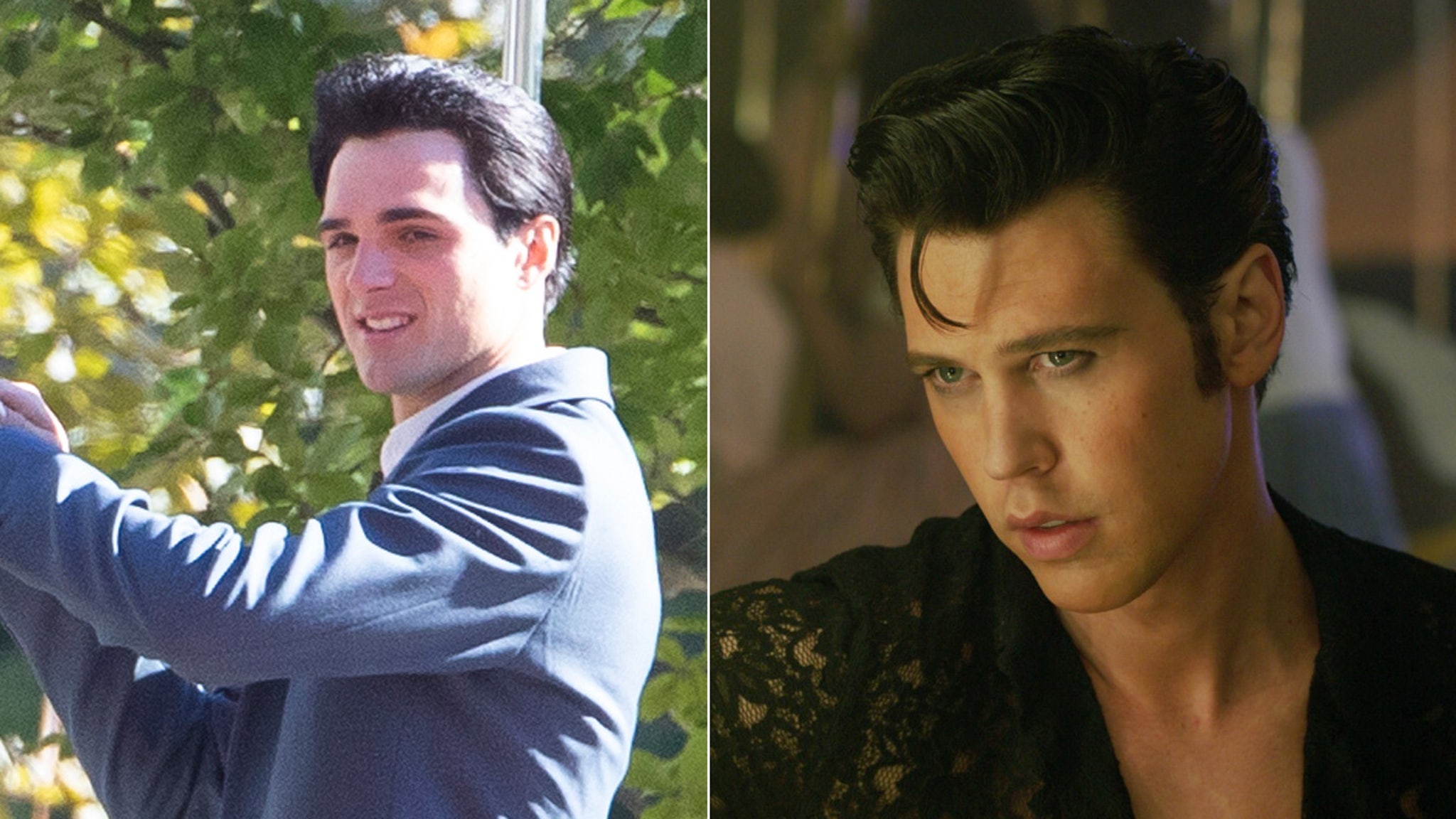
Any serious discussion of Jacob Elordi as Elvis has to begin with Priscilla, because that film is essentially the audition that nobody officially called an audition. Sofia Coppola’s 2023 film deliberately chose not to show Elvis through the conventional biographical lens — no concert footage recreations, no greatest hits parade, no triumphant moments of stardom. Instead, it showed Elvis as Priscilla experienced him: overwhelming, fascinating, controlling, vulnerable, and ultimately impossible to fully know.
Jacob Elordi as Elvis in Priscilla made the controversial creative choice to underplay rather than perform. Where Austin Butler’s celebrated portrayal in Baz Luhrmann’s Elvis leaned into the spectacle and the showmanship — entirely appropriately for that film’s approach — Elordi’s version was quieter, more interior, more focused on the private man than the public phenomenon. Critics were divided on the approach, but what nobody seriously disputed was that Elordi commanded the screen completely whenever he appeared, even within a film deliberately structured to keep Elvis at a slightly unsettling distance.
The lasting impact of Jacob Elordi as Elvis in Priscilla is that it demonstrated range and courage in equal measure. Taking on a role that had just been played by another actor to enormous acclaim, in a project that explicitly refused to give audiences the conventional Elvis experience, required genuine artistic confidence. The fact that Elordi delivered something memorable and distinctly his own rather than something derivative or apologetic speaks directly to his capacity for the kind of bold, committed work that serious biographical filmmaking demands.
How Elordi Prepared for the Role
The preparation that went into Jacob Elordi as Elvis reveals an actor who approaches his craft with the kind of rigor that separates performers who deliver good work from those who deliver great work. Elordi did not simply show up with good cheekbones and a dark wig. He engaged deeply with the historical and personal dimensions of Elvis Presley in ways that informed every choice he made on screen, including the choices that weren’t immediately visible to audiences.
Elordi immersed himself in archival material about Presley — not just the performances and the public appearances, but the private recordings, the personal accounts from people who knew him intimately, the biographical literature that attempts to separate the myth from the man. Understanding who Elvis actually was behind the construction of his public persona was clearly a central priority for Jacob Elordi as Elvis, and that research foundation shows in the specificity and groundedness of his performance even in the most heightened moments.
The physical preparation required for Jacob Elordi as Elvis went well beyond simply inhabiting the look. Elordi worked on vocal qualities, movement patterns, and the particular physical vocabulary that made Elvis so distinctive — the way he held himself, the specific quality of his stillness when he wasn’t performing, the contrast between his private physical presence and his explosive stage energy. These details, studied and internalized rather than superficially imitated, are what separate a credible portrayal from a costume-party impression.
Comparing Jacob Elordi’s Elvis to Austin Butler’s Iconic Portrayal
It’s essentially impossible to discuss Jacob Elordi as Elvis without at least acknowledging the presence of Austin Butler’s performance in Baz Luhrmann’s 2022 Elvis biopic. Butler’s portrayal was a genuine phenomenon — critically acclaimed, Oscar-nominated, and widely considered one of the finest biographical performances in recent memory. Any conversation about Elordi and the same role inevitably invites comparison, and handling that comparison honestly is more interesting than avoiding it.
The critical distinction between the two portrayals isn’t about quality — it’s about approach and intention. Butler’s Elvis was maximalist, operatic, and designed to capture the full sweep of a legendary public life. Jacob Elordi as Elvis in Priscilla was minimalist, intimate, and designed to illuminate the private person that the public legend obscured. These aren’t competing visions of the same thing; they’re genuinely different artistic projects that happen to share a subject. Appreciating both requires understanding what each was actually trying to do.
What Jacob Elordi as Elvis contributes to the broader cultural conversation about Presley is a portrait that prioritizes psychological complexity over biographical comprehensiveness. The Elvis that Elordi portrays is not easily categorized or comfortably resolved. He is simultaneously the most charming person in any room and the most dangerous one — not through malice, but through the specific distortions that extraordinary fame and unchecked power create in a human personality. That portrait is unsettling in ways that are artistically valuable and historically honest.
What a Full Elvis Biopic with Elordi Could Look Like
Speculation about a more comprehensive project featuring Jacob Elordi as Elvis has circulated with enough persistence that it deserves serious consideration. Given what Elordi demonstrated in Priscilla and the evident appetite from both audiences and industry figures for his continued exploration of this iconic figure, the question of what a full-scale Elvis biographical film anchored by Elordi might look like is genuinely exciting to think through.
A project built around Jacob Elordi as Elvis from the ground up — rather than within the specific constraints of Priscilla’s deliberate artistic framework — could explore dimensions of the Presley story that haven’t received adequate cinematic treatment. The early years in Tupelo, Mississippi, the extraordinary meteoric rise from truck driver to cultural phenomenon, the complicated relationship with Colonel Tom Parker, the military service that interrupted everything, the Hollywood years, and the long, tragic decline — all of it contains material rich enough to sustain powerful storytelling.
The particular qualities that Jacob Elordi as Elvis brings to the table suggest a portrayal that would be most interested in the interior life behind the mythology. Elordi is not an actor who gravitates toward surface performance — his most interesting work is always about what’s happening beneath what’s visible. An Elvis story told through that lens, with access to the full biographical canvas rather than a deliberately limited portion of it, could produce something genuinely revelatory about one of the twentieth century’s most fascinating and misunderstood figures.
The Broader Career Context That Makes This Role So Significant
Understanding the full significance of Jacob Elordi as Elvis requires situating it within the larger arc of a career that has been building steadily and impressively toward genuine stardom. Elordi emerged from the Netflix teen drama Kissing Booth series — hardly the most prestigious launching pad — and has systematically dismantled any assumptions that background might have generated about the kind of actor he was going to be.
His work in Euphoria introduced mainstream audiences to an Elordi capable of sustained dramatic intensity and genuine emotional danger. His performance in Saltburn confirmed that he could anchor a film built around ambiguity and psychological complexity without flinching from the demands that required. Jacob Elordi as Elvis, within this career trajectory, represents both a logical next step and a genuine test of the highest order — taking on material that is simultaneously deeply familiar and genuinely difficult to execute with fresh artistic vision.
The momentum behind Jacob Elordi as Elvis reflects something larger happening in contemporary cinema — a recognition that biographical filmmaking is most powerful when it finds actors willing to resist the temptation of pure imitation in favor of genuine interpretation. Elordi has demonstrated that willingness consistently throughout his career, and his engagement with the Elvis material suggests he understands intuitively what this particular subject demands. The prospect of seeing what he does with more of it is one of the genuinely exciting possibilities in current Hollywood filmmaking.
Final Thoughts on Jacob Elordi as Elvis
The conversation around Jacob Elordi as Elvis is ultimately a conversation about what we want from biographical performance and what we believe cinema can tell us about people who have already been mythologized beyond easy recognition. Elordi’s approach — grounded, psychologically serious, resistant to easy heroism or easy villainy — offers something genuinely valuable in that context.
Whether a larger project materializes or not, what Jacob Elordi as Elvis has already contributed to the cultural understanding of this iconic figure is meaningful and real. He has shown that there are dimensions of Elvis Presley still worth exploring, still capable of surprising us, still able to generate genuine emotional and intellectual engagement when approached with the right combination of talent, preparation, and artistic courage. That’s no small thing, and it’s exactly why this conversation keeps happening.
You May Also Read