Latina Actresses Celebrating the Talent Resilience and Rising Power of Hispanic Women in Hollywood

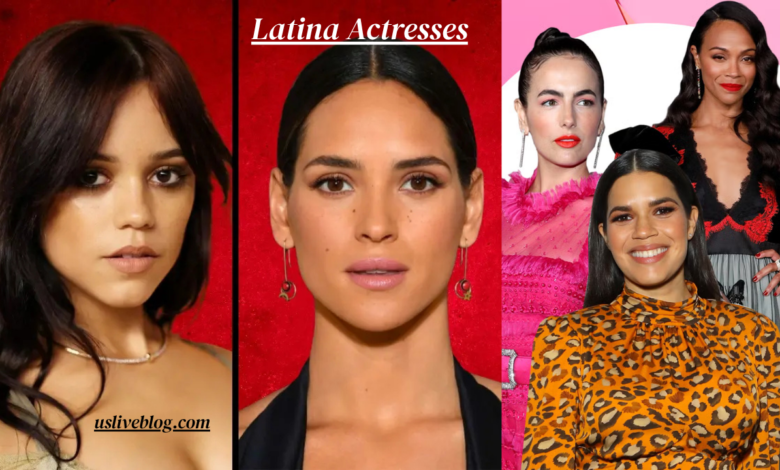
Latina Actresses Hollywood has never been short on talent, but for decades it was very short on fairness especially when it came to representation on screen. have had to fight harder, prove themselves more thoroughly, and navigate stereotypes that their white counterparts simply never had to deal with. Yet despite those obstacles, the list of Latina actresses who have broken through, reshaped narratives, and built iconic careers is long, impressive, and still growing. From Golden Age legends to today’s streaming superstars, Hispanic women have contributed some of the most powerful, memorable, and culturally significant performances in the history of film and television. This article celebrates that legacy and looks at where things stand today.
The Pioneers Who Built the Foundation
Before the current generation of Latina actresses could walk red carpets and headline blockbusters, a group of trailblazing women had to carve the path through an industry that wasn’t exactly rolling out the welcome mat. These pioneers faced open discrimination, limited role options, and a studio system that often exoticized rather than celebrated their cultural identity — yet they persisted and left marks on Hollywood that still resonate today.
Rita Moreno is perhaps the most towering example of what persistence and raw talent can achieve. She became the first Latina actress to win an Academy Award, taking home the Oscar for Best Supporting Actress for her role in West Side Story in 1962. What followed was decades of continued work across film, television, and stage, culminating in an EGOT — Emmy, Grammy, Oscar, and Tony — that very few performers of any background have ever achieved. Her career is a masterclass in longevity, reinvention, and refusing to be defined by anyone else’s limitations.
Carmen Miranda, Dolores del Río, and Lupe Vélez were earlier Latina actresses who achieved major stardom during Hollywood’s Golden Age, each navigating the complicated terrain of being cast as “exotic” while simultaneously trying to express genuine artistry. Their stories are complex — celebrated and exploited in equal measure — but their presence in mainstream Hollywood during an era of extreme racial rigidity was groundbreaking and deserves serious acknowledgment in any honest discussion of the history of in the industry.
Jennifer Lopez and the Mainstream Breakthrough Moment
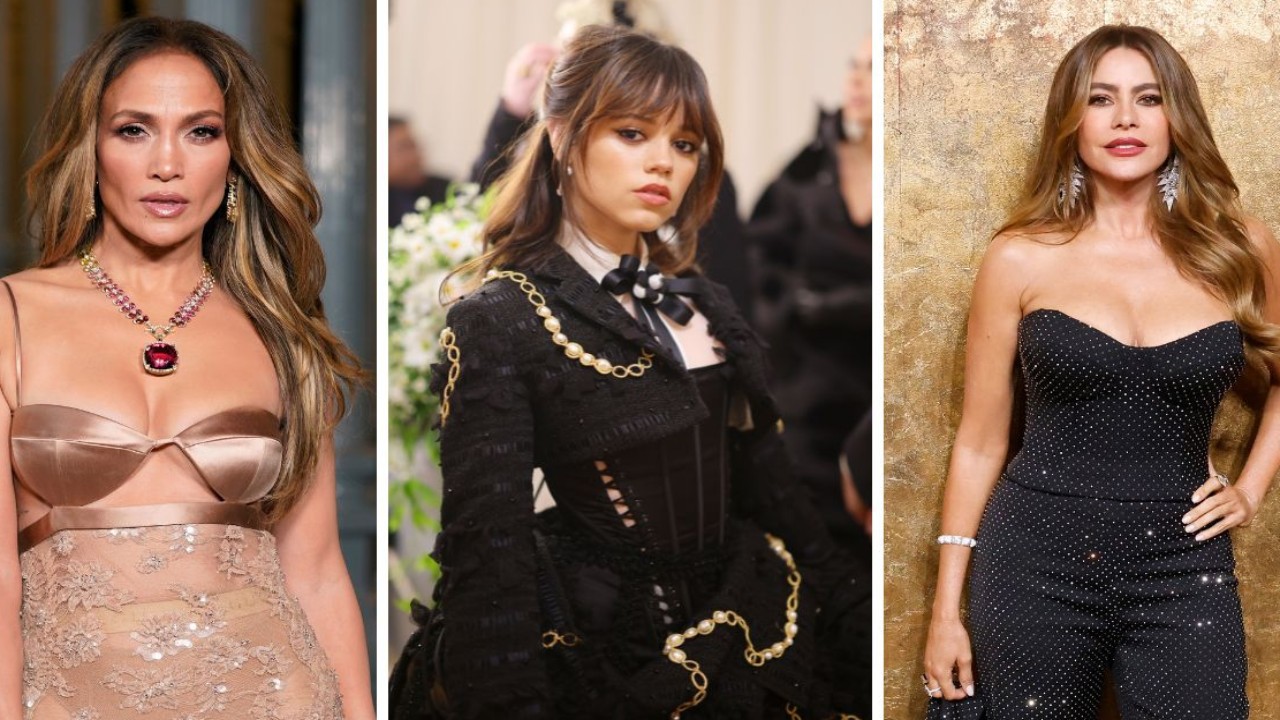
When people talk about Latina actresses who changed the game for an entire generation, Jennifer Lopez’s name comes up almost immediately — and for very good reason. Her portrayal of slain Tejano music icon Selena Quintanilla-Pérez in the 1997 biopic Selena was a cultural earthquake. It announced to Hollywood and to audiences everywhere that a Latina actress could carry a major studio film, connect with mainstream audiences across racial lines, and deliver a performance of genuine emotional depth.
What Lopez did with that role went beyond acting skill — she became a symbol of possibility for millions of young Latina girls who had never seen themselves reflected on screen in that way before. The impact of Selena on Latina actresses and representation cannot be overstated. It opened doors, changed conversations, and demonstrated commercial viability in a language Hollywood actually understands — box office numbers.
Lopez continued building one of the most diversified careers in entertainment history, moving between acting, music, and business with a relentlessness that commands respect regardless of your personal taste in her work. Her later performance in Hustlers earned some of the best reviews of her career and reignited a serious conversation about why Latina actresses of her caliber are still not receiving the industry recognition they deserve at awards season. That conversation is still very much ongoing.
Salma Hayek Breaking Barriers Behind and In Front of the Camera
Salma Hayek represents a different dimension of what Latina actresses have had to navigate — not just the challenge of getting cast, but the challenge of getting complex, fully realized roles that honor rather than diminish their identity. Hayek arrived in Hollywood from Mexico with talent, determination, and a vision of the kind of work she wanted to do, and she quickly discovered that the industry had very narrow ideas about what a Latina actress should be doing on screen.
Her response to those limitations was to take matters into her own hands. Hayek produced Frida, the biographical film about Mexican artist Frida Kahlo, after years of fighting to get the project made. She also starred in the title role, delivering a performance that earned her an Academy Award nomination for Best Actress — making her one of the very few Latina actresses to receive that honor. The film itself was a critical and commercial success that proved, once again, that stories centered on Latina women could resonate with global audiences.
Hayek’s dual role as producer and actress is significant because it represents a blueprint that many Latina actresses have since followed — if the industry won’t give you the roles you deserve, build the infrastructure to create them yourself. That kind of creative entrepreneurship is increasingly common among today’s generation of Hispanic women in entertainment, and Hayek was among the first to demonstrate that it was both necessary and possible.
The Television Revolution and Latina Actresses Finding Their Voice
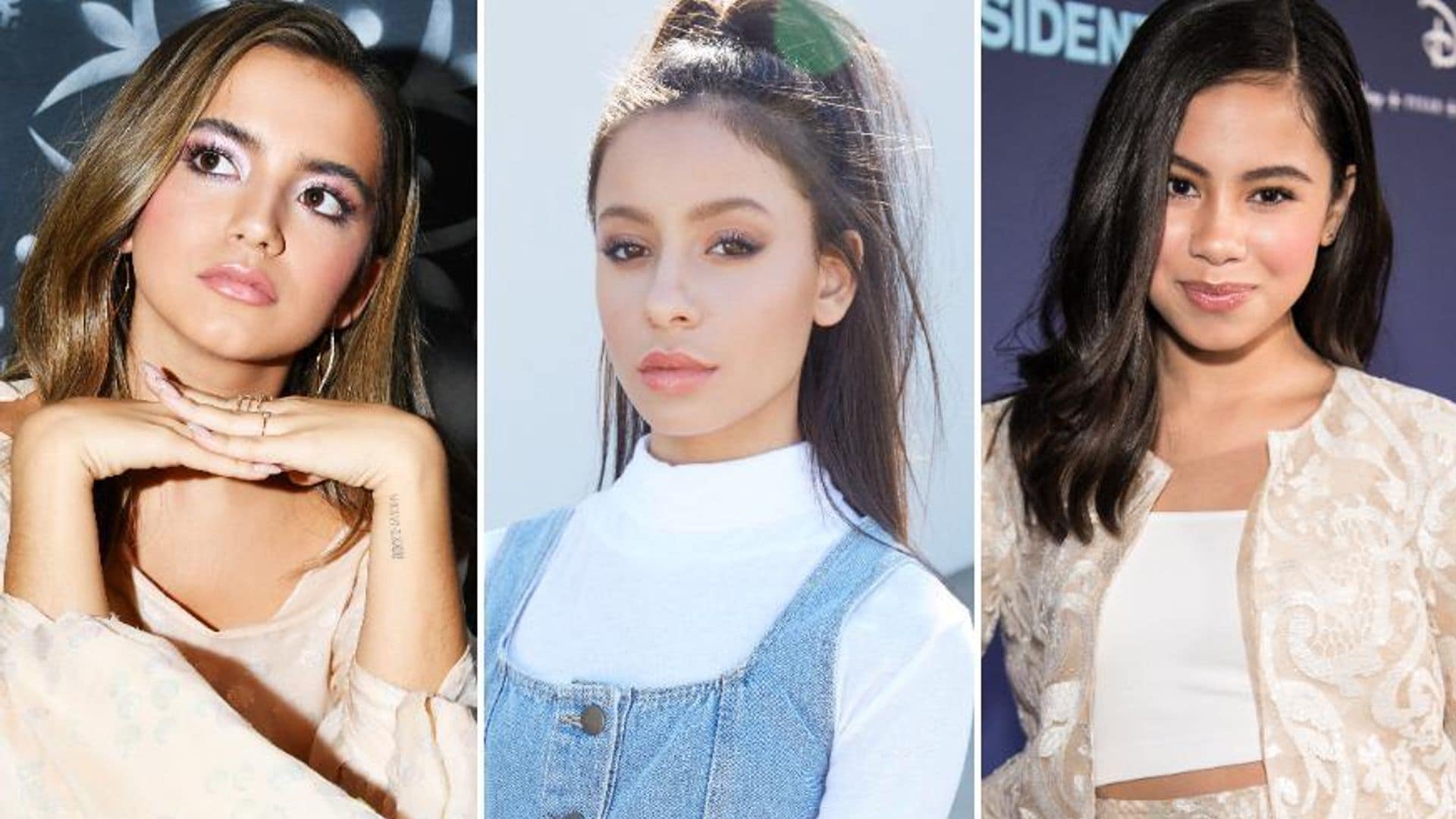
While the film industry has been slow to expand opportunities for Latina actresses, television — particularly in the streaming era — has been a genuinely more welcoming space. Some of the most compelling, complex, and celebrated performances by in recent years have come through television projects that gave them room to fully inhabit multidimensional characters.
Eva Longoria’s run on Desperate Housewives brought a Latina actress to the center of one of the most-watched television shows in the world for eight seasons. America Ferrera’s Emmy-winning performance in Ugly Betty challenged beauty standards and cultural stereotypes simultaneously, earning her a place in television history. More recently, actresses like Melissa Barrera, Mishel Prada, and Ser Anzoategui in Vida delivered some of the most authentic portrayals of Latinx life ever committed to screen in a series that understood its community from the inside out.
The importance of streaming platforms in expanding opportunities for Latina actresses cannot be overstated. Netflix, Hulu, HBO Max, and others have greenlit projects with Latina leads and Latina creative teams that traditional broadcast networks would likely have passed on. This shift has not only created more opportunities but has also raised the quality and authenticity of the roles available — a development that benefits and audiences in equal measure.
The Stereotype Problem That Refuses to Go Away
For all the progress that has been made, any honest conversation about Latina actresses has to address the persistent stereotype problem that continues to shape — and limit — how Hispanic women are cast in Hollywood. The hyper-sexualized maid, the fiery temptress, the gang member’s girlfriend, the undocumented immigrant — these reductive archetypes have appeared so consistently across decades of Hollywood output that they’ve become a cliché that many Latina actresses have spoken out against publicly and repeatedly.
The frustration is real and well-documented. Latina actresses with serious training, proven track records, and demonstrated range are routinely passed over for complex lead roles that go to white actresses, while simultaneously being offered stereotyped supporting parts that reduce their cultural identity to a set of tired tropes. This double standard — invisible for complex roles, hyper-visible for stereotypes — is something that organizations advocating for representation in Hollywood have been tracking and reporting on for years.
The good news is that Latina actresses themselves have become increasingly vocal and organized in pushing back against these patterns. Through public advocacy, selective career choices, and the creation of independent production vehicles, many are actively reshaping the terms on which they engage with the industry. The change is happening — but it’s happening because are forcing it, not because Hollywood spontaneously decided to do better.
The New Generation Rewriting the Rules
The current generation of Latina actresses is arguably the most talented, most visible, and most empowered in Hollywood history. Names like Zoe Saldana, Eva Mendes, Camila Mendes, Melissa Barrera, and Stephanie Beatriz represent a breadth of background, style, and genre range that reflects just how diverse the category of actually is — something that Hollywood’s historically monolithic treatment of Hispanic identity has consistently failed to capture.
Zoe Saldana in particular has built one of the most commercially successful careers in modern Hollywood, anchoring multiple billion-dollar franchises including Avatar and Guardians of the Galaxy. Her success at the blockbuster level represents something genuinely new for Latina actresses — mainstream, genre-defining stardom at the very highest level of the industry. She has done it on her own terms, without shrinking her identity or conforming to narrow expectations.
Stephanie Beatriz, known widely for her work on Brooklyn Nine-Nine and her voice role in Encanto, represents another facet of what today’s Latina actresses are capable of — comedy, depth, and cultural storytelling that resonates across generations. The success of Encanto in particular, a film with a fully Latino cast and creative team that became one of Disney’s biggest hits in years, sent a message to every studio executive paying attention: representation is not a risk. It’s an opportunity.
Why Representation by Latina Actresses Matters Beyond Hollywood
The significance of Latina actresses in film and television extends far beyond entertainment industry statistics or awards season conversations. Representation shapes how communities see themselves and how the broader culture sees them. When young Latina girls grow up watching women who look like them, speak like them, and carry cultural experiences similar to theirs portrayed as heroes, leaders, and complex human beings on screen, it has a measurable impact on self-perception and aspiration.
Research consistently supports the idea that media representation affects real-world outcomes — from career ambitions to mental health to social belonging. Every time a Latina actress lands a meaningful, dignified, well-written role in a major production, it sends a signal to an entire community that their stories matter and their presence is valued. That signal reverberates far beyond the screen.
The ongoing fight for better representation led by Latina actresses is ultimately a fight for a more accurate and equitable cultural mirror. Hollywood tells stories that shape how the world understands itself — and for too long, those stories have left out, diminished, or distorted the experiences of Hispanic women. The actresses pushing back against that reality are doing work that matters on a level that transcends any individual career or performance.
Final Thoughts The Story Is Still Being Written
The history of Latina actresses in Hollywood is a story of extraordinary talent meeting extraordinary resistance — and talent winning anyway, slowly but surely. From Rita Moreno’s Oscar in 1962 to Zoe Saldana’s billion-dollar franchises today, the arc of progress is real even when it’s frustratingly slow.
The next chapter of that story will be written by the Latina actresses currently coming up through independent film, streaming television, and digital platforms — many of whom are creating their own opportunities rather than waiting for the industry to catch up. If history is any guide, they’ll break barriers, tell important stories, and make the generation that follows theirs possible. That’s exactly what Latina actresses have always done.
You May Also Read