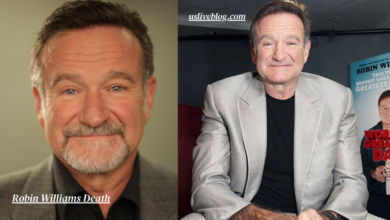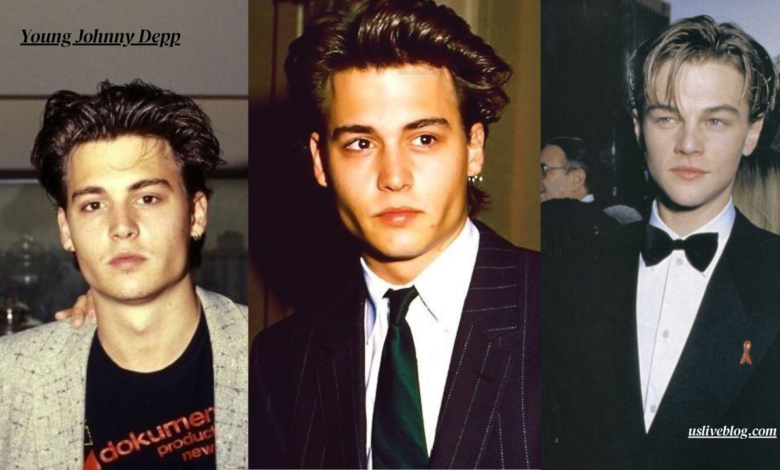
Young Johnny Depp Before the pirates, before the eccentric characters, before the controversies and the courtroom dramas there was a young Johnny Depp, a restless kid from Kentucky with a guitar in his hands and absolutely no plan to become one of the most recognizable actors on the planet. The story of young Johnny Depp is one of those genuinely fascinating origin tales that feels almost too cinematic to be real. Poverty, ambition, a detour through rock and roll, and then a completely accidental slide into acting it’s the kind of journey that explains everything about the unconventional career that followed.
Where It All Began The Early Life of Young Johnny Depp
Young Johnny Depp was born on June 9, 1963, in Owensboro, Kentucky, the youngest of four children in the Depp family. His father, John Christopher Depp Sr., worked as a civil engineer, and his mother, Betty Sue Palmer, was a waitress. The family moved around constantly during his childhood by some accounts, young Johnny Depp had lived in more than thirty different places before he was a teenager. That kind of rootless upbringing leaves a mark, and in Depp’s case, it seems to have cultivated both a deep restlessness and a remarkable ability to observe people closely.
The family eventually settled in Miramar, Florida, and it was here that young Johnny Depp’s personality really started taking shape. He was not, by his own admission, a model student. School felt suffocating to him, and he struggled to find anything in the standard curriculum that actually lit him up. What did light him up, from a very early age, was music. When his mother gave him a guitar at age twelve, something clicked. Young Johnny Depp threw himself into playing with the kind of obsessive focus that would later define his approach to acting roles.
His parents’ divorce when he was fifteen hit him hard. Young Johnny Depp has spoken in interviews about that period being genuinely difficult the instability at home, the emotional turbulence that comes with watching a family fracture. Many people who knew him during those years describe a kid who was simultaneously sensitive and wild, someone who felt things deeply but expressed those feelings sideways, through music and a growing reputation for not exactly following the rules.
The Music Years Rock and Roll Dreams of Young Johnny Depp
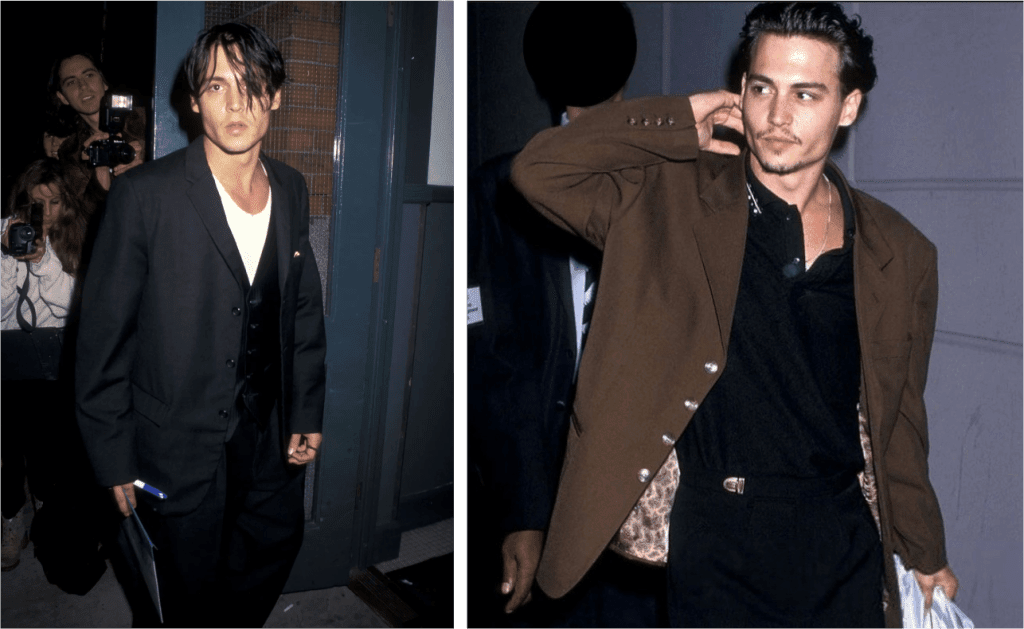
Before Hollywood ever entered the picture, Young Johnny Depp was dead serious about music. He dropped out of high school at sixteen with the full intention of making it as a rock musician — and to his credit, he actually made a real go of it. He played in several bands around the Florida music scene, developing genuine skill as a guitarist. This wasn’t a hobby for it was the plan, the whole plan, and nothing but the plan.
His most notable early band was called The Kids, a rock group that gained enough local traction to actually relocate to Los Angeles in pursuit of a record deal. Young Johnny Depp was living the classic musician’s life in LA broke, scrapping for gigs, believing completely in the dream even when the reality was pretty unglamorous. The band did find some moderate success on the LA club circuit, opening for acts like Iggy Pop, which was a genuine achievement for a group of kids from Florida with no industry connections.
The music career, however, never quite broke through to the next level. Record deals remained elusive, money was perpetually tight, and the grinding uncertainty of the musician’s life was starting to wear thin. It was during this period that young Johnny Depp’s trajectory changed completely — and it happened almost entirely by accident, through a chance encounter that had nothing to do with auditions or ambition or any kind of master plan.
The Accidental Actor How Young Johnny Depp Fell Into Hollywood
The pivot from musician to actor for young Johnny Depp came through his first marriage. He married makeup artist Lori Anne Allison in 1983, and it was through her that he met actor Nicolas Cage. Cage, already building his own career at the time, saw something in during their conversations — a presence, a quality that he thought the camera would respond to. Cage encouraged him to try acting and introduced him to his own agent.
Young Johnny Depp went along with it, partly out of curiosity and partly because the bills needed paying. His first significant role came in Wes Craven’s horror classic A Nightmare on Elm Street in 1984, where he played Glen Lantz, a teenager who meets a memorably gruesome end. It wasn’t a lead role, but made an impression. There was something about how he carried himself on screen a natural quality, an ease that most people spend years in acting classes trying to manufacture.
What’s remarkable about this chapter of young Johnny Depp’s story is how unplanned all of it was. He didn’t grow up dreaming of Hollywood. He didn’t attend acting school or study the craft in any formal sense before landing his first roles. The skills he brought to acting — the deep observation of human behavior, the comfort with reinvention, the instinct for finding something unexpected in a character — came from life experience rather than training. That outsider approach to the craft would become one of his greatest artistic strengths.
21 Jump Street and the Making of a Heartthrob
The role that turned young Johnny Depp into a genuine household name came in 1987 with the television series 21 Jump Street. He was cast as Officer Tom Hanson, an undercover cop who goes back to high school to bust teenage criminals. The show was a massive hit, and became, almost overnight, a full-blown teen idol. His face was on magazine covers, fan mail poured in by the thousands, and teenage girls across America were completely obsessed.
Here’s the thing though — young Johnny Depp absolutely hated it. Not the work itself, but the heartthrob machinery that surrounded it. He found the idea of being packaged and sold as a poster boy deeply uncomfortable, even insulting to what he actually wanted to do as an artist. The tension between what the industry wanted from him and what he wanted from himself was palpable and real. He stuck with 21 Jump Street for several seasons, but it was clear he was already looking for the exit.
This discomfort with conventional stardom is one of the most defining characteristics of young Johnny Depp’s early career. While plenty of actors in his position would have happily leaned into the teen idol machine and ridden it for everything it was worth, Depp was already thinking differently. He wanted to make strange choices, work with unconventional directors, play characters who didn’t fit neatly into any box. That instinct, formed during his years as young Johnny Depp navigating early fame, shaped every significant career decision he would make afterward.
Tim Burton Edward Scissorhands and the Artistic Breakthrough
The collaboration that truly defined what young Johnny Depp was capable of artistically came when director Tim Burton cast him in Edward Scissorhands in 1990. This was a genuine turning point — not just a good role but a revelation about what kind of actor Depp was going to be. Edward Scissorhands required something beyond conventional performance. It demanded physical storytelling, emotional vulnerability, and the ability to communicate entire worlds of feeling with almost no dialogue.
Young Johnny Depp delivered something extraordinary. The performance was delicate, melancholy, and deeply human despite the character’s fantastical nature. Critics who had dismissed him as just another pretty face from a TV show suddenly sat up and paid attention. Here was an actor willing to disappear completely into a role, to prioritize the integrity of the character over his own image or likability. That commitment, developed through all the years of young Johnny Depp finding his footing, was suddenly fully visible on screen.
The Burton-Depp partnership that began with Edward Scissorhands became one of the most celebrated creative collaborations in modern cinema. But it started precisely because young Johnny Depp had spent years resisting the easy path, refusing to be defined by his looks or his heartthrob status, and holding out for work that actually meant something to him artistically. The patience and the principles he maintained through the difficult years paid off in the most spectacular fashion imaginable.
The Legacy of Young Johnny Depp’s Formative Years
Looking back at the journey of young Johnny Depp, what stands out most is the consistency of his character throughout radically different circumstances. Whether he was a struggling musician in LA, a reluctant teen idol on television, or an emerging film actor fighting for creative credibility, certain qualities remained constant the fierce individualism, the resistance to being categorized, the deep commitment to authenticity over image.
Young Johnny Depp’s early years built the foundation for one of the most genuinely unusual careers in Hollywood history. The willingness to take risks, the comfort with the unconventional, the instinct for finding humanity in the strangest characters all of it traces directly back to that restless kid from Kentucky who never quite fit any mold and eventually stopped trying to. Understanding is understanding that the most interesting careers are rarely the ones that went exactly according to plan.
You May Also Read