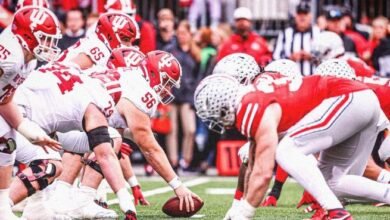
Saturday Down South if you have ever been to the Deep South on a college football Saturday, you already know there is nothing else quite like it anywhere in the world. The air smells like charcoal and tailgate smoke, the parking lots fill up before the sun has fully decided to show up, and an entire region essentially stops what it is doing to focus on one thing: football. Saturday Down South is not just a phrase. It is a lifestyle, a tradition, and for millions of fans across Alabama, Georgia, Tennessee, Mississippi, and beyond, it is practically a religion.
The SEC — Southeastern Conference — has long been considered the gold standard of college football, and the phrase Saturday Down South captures that culture better than almost any other expression. It speaks to the ritualistic nature of game day in the South, where generations of families pass down their team loyalties the same way they pass down recipes and land. You do not just become an SEC fan. You are born into it.
This article dives deep into what Saturday Down South really means — from the tailgate culture and iconic rivalries to the broader influence it has had on college football as a whole. Whether you are a lifelong fan or someone just getting curious about what makes SEC Saturdays so legendary, buckle up.
The Tailgate Culture That Defines the Day
Before a single play is called and before the band ever takes the field, the real Saturday Down South experience starts in the parking lot. Or in the Grove at Ole Miss. Or on The Flats outside Georgia Tech. Or in the sea of crimson tents surrounding Bryant-Denny Stadium. Tailgating in the South is not a pregame snack and a cold drink. It is a full-scale production that starts days in advance, with tents going up on Thursday or Friday, full kitchens being assembled, and spreads of food that would make a five-star chef take serious notes.
Southern tailgate menus are something else entirely. We are talking pulled pork slow-cooked overnight, homemade mac and cheese, boiled peanuts, deviled eggs, and sweet tea by the gallon. Families bring out their best dishes because this is, in many ways, a social event just as much as a sporting one. You will see toddlers in tiny jerseys running between folding tables while grandparents sit in lawn chairs and debate whether this year’s offensive line is better than the 2009 squad.
What makes this tailgate culture so special is the community it builds. Strangers become friends over a plate of ribs. Rival fans share a laugh before they go inside and spend three hours screaming at each other. The parking lot is neutral ground — a place where the shared love of the game takes center stage before the competition kicks in. That balance between fierce rivalry and genuine Southern hospitality is something you genuinely have to witness in person to fully understand.
The Rivalries That Make Saturdays Unforgettable
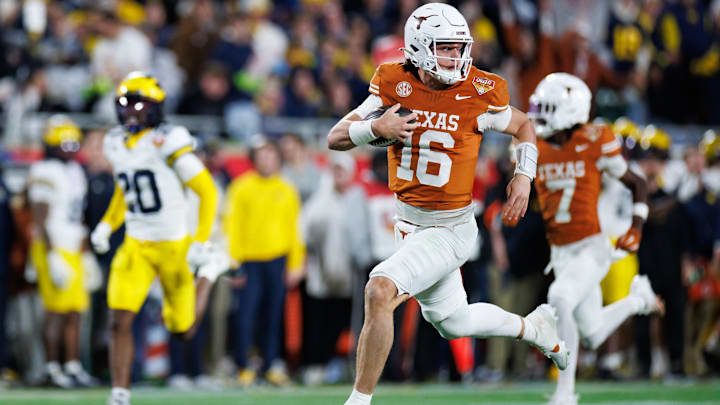
Saturday Down South they are chapters in an ongoing story that fans have been reading for over a century. The Iron Bowl between Alabama and Auburn. The Deep South’s Oldest Rivalry between Georgia and Auburn. Tennessee versus Alabama. Ole Miss versus Mississippi State in the Egg Bowl. These matchups carry decades of history, emotional baggage, and stakes that go way beyond wins and losses on a scoreboard.
The Iron Bowl, in particular, might be the most emotionally charged annual college football game in the country. It is the kind of rivalry where families get divided, where workplace trash talk starts in October, and where entire communities hold their breath for three hours every November. Alabama and Auburn fans do not just want to win — they need to win. That level of emotional investment is a core part of what makes Saturday Down South feel unlike anything else in American sports.
What is fascinating about these rivalries is how deeply they are tied to regional identity. Cheering for your SEC team is often tied to where you grew up, where your parents went to school, and what your community looks like. That is why these games feel personal in a way that many professional sports matchups simply do not. The players might come and go every four years, but the rivalry stays constant — and so does the passion of the fan base.
Saturday Down South More Than Just a Saying — It Is a Brand
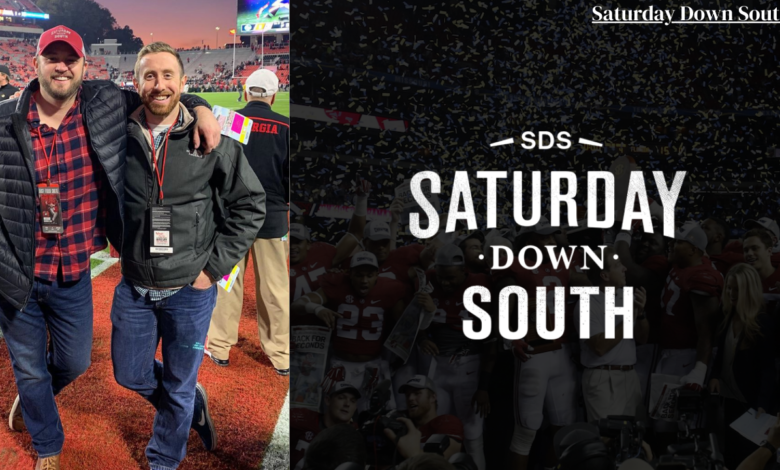
Over the years, Saturday Down South has grown into something much larger than just a colloquial expression. It is now a well-known sports media brand that covers SEC football with the kind of passion and depth that the fan base demands. The Saturday Down South website and social media presence have built a loyal following among SEC fans who want more than just scores — they want the stories, the analysis, the recruiting updates, and the culture that surrounds their favorite programs.
The brand resonates so strongly because it was built by people who actually live and breathe this culture. It does not feel like a corporate product trying to cash in on SEC fandom. It feels like content made by fans, for fans — people who understand why a third-and-one call in the fourth quarter of an Alabama-LSU game can feel like a matter of life and death. That authenticity is what drives its growth and keeps readers coming back week after week throughout the season.
Beyond the media brand, the phrase itself has become a cultural shorthand. When someone says Saturday Down South, every SEC fan immediately understands the reference. It evokes specific images: packed stadiums, live oaks draped in Spanish moss, the sound of 100,000 people making noise in unison, and the particular feeling you get when your team scores a go-ahead touchdown with two minutes left. It is shorthand for an entire experience that words, frankly, struggle to fully capture.
The Iconic Stadiums That Set the Stage
You cannot talk about Saturday Down South without talking about the cathedrals where this weekly spectacle takes place. SEC stadiums are some of the most impressive sporting venues in the world — not just because of their size, though several rank among the largest stadiums on the planet, but because of the atmosphere that fills them on game day. Bryant-Denny Stadium in Tuscaloosa, Tiger Stadium in Baton Rouge, Neyland Stadium in Knoxville, Sanford Stadium in Athens — these are not just venues. They are monuments to what the South values.
Tiger Stadium at LSU is particularly legendary for its night game atmosphere. When LSU plays at home after dark, the noise level inside that stadium reaches a decibel level that has been measured as louder than a jet engine. Visiting teams have talked about the experience in almost haunted terms — the way the crowd builds from the moment you step off the bus, and how by kickoff, the noise feels almost physical. It is the kind of home-field advantage that has a genuine measurable impact on the game.
Neyland Stadium in Knoxville deserves special mention as well. When Tennessee is in full voice and the checkerboard end zones are packed with orange-clad fans, the visual and auditory experience is something you simply will not find replicated anywhere else. The same goes for Georgia’s Sanford Stadium, where the atmosphere during a big-time SEC East matchup is the kind of thing that ends up in highlight reels for decades. These stadiums are not just settings for the game — they are characters in the story.
Why the SEC Has Dominated College Football and Why It Matters
The SEC’s on-field dominance over the past two decades is not a coincidence. Between 2006 and 2023, SEC teams won the national championship an almost remarkable number of times, with Alabama and Georgia leading the charge in recent years. There are real structural reasons for this dominance: massive athletic department budgets, top-tier coaching staffs, and a recruiting pipeline that consistently funnels the best high school talent in the country toward SEC programs.
But beyond the infrastructure, the success is also rooted in the culture itself. Coaches who come to SEC programs know they are stepping into an environment where expectations are sky-high and winning is not optional. Nick Saban built a dynasty at Alabama in part because he understood that the culture of a program — the standards you set, the discipline you demand, the identity you build — matters as much as strategy and playcalling. Kirby Smart carried those lessons to Georgia and built his own powerhouse from them. That cultural transmission of winning standards is a big part of why the SEC consistently stays on top.
The dominance of the SEC also matters because it shapes the national conversation around college football. Saturday Down South sets the tone for what the sport looks like at its highest level. When the rest of the country talks about college football, they are inevitably measuring themselves against what is happening in the South. The SEC is the benchmark and the standard bearer, and understanding that dynamic helps explain why Saturday Down South carries such cultural weight for fans across the entire country — not just those in the Southeast.
The Fan Passion That Keeps the Tradition Alive
At the end of the day, Saturday Down South is not really about coaches, TV contracts, or even the players themselves. It is about the fans. It is about the 70-year-old woman in Knoxville who has not missed a home game in 40 years. It is about the kid in Tuscaloosa who fell asleep in his dad’s lap during the fourth quarter of a blowout when he was five years old and has been hooked ever since. It is about the groups of friends who road-trip from Atlanta to Baton Rouge for a night game and sleep in someone’s minivan because tickets and hotel rooms ate the entire budget.
This fan passion is generational in a way that is genuinely rare in American sports. SEC fandom gets passed down like an heirloom. You root for the team your parents rooted for, your grandparents rooted for, and the people in your town have been rooting for since long before you were born. That depth of connection creates a kind of loyalty that does not waver based on a bad season or a coaching change. It is baked into who you are. It is identity.
And that is ultimately what Saturday Down South is all about. It is community, identity, history, and shared experience wrapped up in a three-hour game on a fall afternoon. It is the way people across the Southeast organize their weekends, plan their social lives, and connect with something larger than themselves. Whether you are a die-hard who tracks recruiting rankings in July or someone who just shows up for the tailgate and the vibe, Saturday Down South has something for you — and once it gets into your blood, it never really leaves.
Final Thoughts Why Saturday Down South Is a Way of Life
There is a reason people who grew up in the South and moved away describe SEC game days with a particular kind of nostalgia. It is because Saturday Down South represents something that is genuinely hard to replicate: a collective experience that is both deeply personal and wildly communal at the same time. You are surrounded by tens of thousands of people, all feeling the same highs and lows in real time, all tied to the same traditions and the same history that stretches back generations.
The culture has also evolved beautifully with the times. New media platforms, social content, and digital fan engagement have only amplified what was already an extraordinarily passionate fan base. Saturday Down South as a media brand has tapped into that evolution expertly, meeting fans where they are online while staying true to the authentic spirit of the culture it covers. That is a balance a lot of media brands struggle to strike, and it is a big reason why the name carries real weight in college football circles today.
So whether you are already a card-carrying member of the SEC faithful or you are just starting to understand what all the fuss is about, one thing is clear: Saturday Down South is one of the great cultural traditions in American sports. It is loud, passionate, steeped in history, and absolutely worth experiencing at least once in your life. Because once you have stood in a packed SEC stadium on a crisp October afternoon and felt that crowd come alive, you will understand — completely and without reservation — why they call it Saturday Down South.
You May Also Read