Introduction to Laurence Akers and His Growing Influence
Laurence Akers is a British writer, producer, and creative professional whose career has quietly shaped parts of modern television and independent filmmaking. While he may not always stand in the spotlight himself, his work behind the scenes has earned respect across media circles. From magazine publishing to television production and screenwriting, Akers represents the kind of creative professional whose versatility defines long-term success in entertainment.
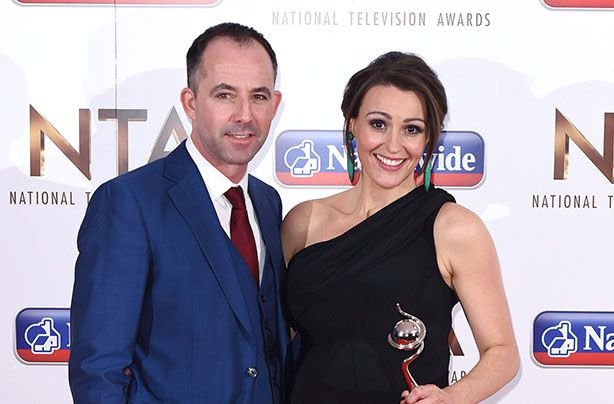
Many people first became curious about Akers because of his marriage to acclaimed British actress Suranne Jones, but reducing his identity to that connection would overlook a decades-long career built on storytelling, production expertise, and creative leadership. His journey reflects persistence, adaptability, and a deep understanding of evolving media landscapes.
In an industry that constantly reinvents itself, Laurence Akers has managed to transition smoothly between roles and platforms. His ability to move from print media to television and later into film production highlights not only technical skill but also an instinct for recognising where storytelling is heading next.
Early Career: From Magazine Editing to Media Storytelling
Laurence Akers began his professional journey in publishing, entering the media world at a young age. Early in his career, he worked on youth-focused magazines, including the popular teen publication Just Seventeen. This phase allowed him to develop essential storytelling skills, editorial judgement, and an understanding of audience engagement — all of which later became valuable in television production.
Working in magazine publishing gave Akers firsthand experience with deadlines, creative collaboration, and audience psychology. Editors must balance creativity with commercial realities, and this environment helped him understand how stories connect emotionally with readers. These lessons later translated seamlessly into visual storytelling.
After several years in publishing, Laurence Akers recognised broader opportunities within television. The move was not accidental; it reflected a desire to work in faster-paced, more dynamic storytelling environments. His editorial background gave him a strong foundation, allowing him to adapt quickly to production roles where communication and creative planning were essential.
Transition into Television Production
Laurence Akers move into television marked a turning point in his career. He began working behind the scenes on British TV programmes, contributing to music and entertainment shows. One of his early responsibilities included booking musical acts for youth-oriented television programming, a role that required industry connections and an understanding of popular culture trends.
During this stage, he worked on programmes such as What’s Up Doc? and other entertainment formats, gradually building credibility within broadcasting circles. Television production demands coordination between writers, directors, performers, and technical teams, and Laurence Akers developed strong collaborative skills through these experiences.
His work eventually expanded into producing roles, where he helped shape content direction rather than simply supporting it. This progression demonstrated his growing confidence as a creative decision-maker. By understanding both the artistic and logistical sides of production, Akers positioned himself as a well-rounded media professional capable of managing complex projects.
Reinventing Himself as a Screenwriter and Filmmaker
Around 2016, Laurence Akers made another significant professional shift by focusing more seriously on screenwriting and directing. Rather than remaining solely in production roles, he began creating original stories — a move that allowed him to express a more personal creative voice.
His short film Gone became a defining milestone. Written and directed by Akers, the project gained recognition at international film festivals and received critical praise for its emotional storytelling and cinematic style. The film demonstrated his ability to move beyond television formats and into narrative filmmaking with confidence and artistic clarity.
This transition highlights an important aspect of Laurence Akers career: continuous reinvention. Many professionals remain within a single niche, but Akers chose to evolve creatively. By stepping into writing and directing, he proved that industry experience combined with storytelling passion can lead to meaningful creative breakthroughs.
TeamAkers Productions and Creative Independence
One of the most notable developments in Laurence Akers career was the co-founding of TeamAkers Productions, a company focused on developing original drama, documentaries, and independent film projects. Establishing a production company allowed him greater creative control over the stories he wanted to tell.
Independent production companies often serve as innovation hubs within the entertainment industry. Free from large studio restrictions, creators can explore unique narratives and experimental storytelling techniques. Akers used this platform to champion emotionally driven projects and character-focused storytelling.
The company also reflects a broader trend in modern media, where creators increasingly seek ownership of their intellectual property. By producing content independently, Laurence Akers positioned himself not just as a creative contributor but as a creative entrepreneur shaping projects from concept to completion.
Collaboration with Suranne Jones and Creative Partnership
Laurence Akers’ professional and personal life intersect through his collaboration with Suranne Jones. Their partnership extends beyond marriage into shared creative ventures, where ideas often evolve through collaboration.
The couple reportedly met in 2013 and married shortly afterward, forming both a personal bond and a creative alliance. Their collaboration on projects, including documentary and drama concepts, shows how shared artistic interests can strengthen storytelling outcomes. Laurence Akers has written treatments and concepts tailored to Jones’ strengths as a performer, demonstrating his understanding of character-driven narratives.
Creative partnerships like this are common in film and television, but success depends on mutual respect and complementary skills. Akers’ background in writing and production pairs naturally with Jones’ acting expertise, allowing projects to develop organically from concept to performance.
Storytelling Style and Creative Philosophy
Laurence Akers’ storytelling approach tends to focus on emotional authenticity and human experiences rather than spectacle. His projects often explore personal transformation, relationships, and psychological depth — themes that resonate strongly with modern audiences seeking meaningful narratives.
His background across multiple media formats influences this style. Magazine editing taught him concise storytelling, television taught pacing and audience engagement, and filmmaking allowed deeper emotional exploration. The result is a creative voice shaped by diverse professional experiences.
Another defining element of his philosophy is adaptability. Laurence Akers career demonstrates that longevity in media depends on learning new skills and embracing change. Rather than resisting industry shifts, he has repeatedly repositioned himself to remain creatively relevant.
Personal Life and Public Interest
Public curiosity about Laurence Akers increased significantly after his marriage to Suranne Jones, especially as she became widely recognised for major television roles. However, Akers has largely maintained a private profile, choosing to let his work speak louder than public appearances.
The couple welcomed a son in 2016, and they have generally kept family life away from intense media attention. This balance between public creativity and private living reflects a deliberate choice — one that many industry professionals adopt to maintain stability in demanding careers.
Despite increased media attention, Laurence Akers continues to focus primarily on storytelling and production rather than celebrity culture. This grounded approach has helped preserve his reputation as a serious creative professional rather than a publicity-driven figure.
Legacy and Future Potential in the Entertainment Industry
Laurence Akers represents a modern creative professional whose career illustrates how adaptability fuels longevity. From magazine editor to television producer and independent filmmaker, his journey shows that success often comes from evolving with the industry rather than chasing short-term recognition.
As streaming platforms and independent productions continue to grow, creators like Akers are positioned to play increasingly influential roles. His experience across multiple formats gives him a strong advantage in an era where storytelling crosses television, film, and digital platforms seamlessly.
Looking ahead, Laurence Akers continued involvement in original drama development suggests that his most impactful work may still be ahead. With a proven ability to reinvent himself and collaborate effectively, he remains an important creative voice within British media — one defined not by fame alone but by craftsmanship and storytelling dedication.
Conclusion
Laurence Akers’ career is a powerful example of quiet influence in the entertainment industry. While audiences may recognise the actors on screen, professionals like Akers shape the stories that make those performances meaningful. His journey from publishing to filmmaking reflects creativity, resilience, and a commitment to evolving as an artist.
In a rapidly changing media world, Laurence Akers stands as proof that success is not always loud or immediate. Sometimes, it is built steadily — project by project — through passion, adaptability, and a genuine love for storytelling.
You May Also Read