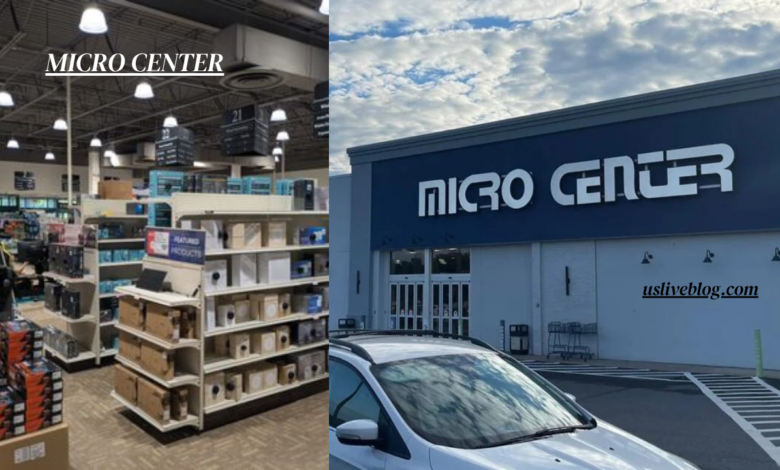
Micro Center If you’ve ever walked into a, you probably understand immediately why people who live near one consider themselves genuinely lucky. There’s something about stepping into that store that feels different from any other retail tech experience available in America today. It’s not just the massive selection, the competitive prices, or the knowledgeable staff it’s the combination of all three things delivered in an environment that actually respects the intelligence of its customers. In an era where big-box electronics retail has largely collapsed and online shopping dominates, Micro Center has not only survived but thrived by doing something radical being genuinely excellent at what it does.
What Micro Center Actually Is and Where It Came From
Micro Center is an American retail chain specializing in personal computers, consumer electronics, and technology components. Founded in 1980 in Columbus, Ohio, the company has grown into one of the most respected names in tech retail despite operating a relatively small number of physical locations compared to the national chains that have come and gone around it. While competitors like CompUSA, Circuit City, and Fry’s Electronics have all shuttered, has quietly built a loyal customer base that borders on devotion.
The company is privately held, which is itself an interesting part of the Micro story. Without the pressure of quarterly earnings reports and shareholder demands, has been able to make long-term decisions that prioritize customer experience and product quality over short-term margin optimization. That freedom shows in virtually every aspect of how the stores operate — from staffing levels to inventory depth to pricing strategy. It’s a business philosophy that the publicly traded retail world rarely has the patience to sustain.
What makes Micro genuinely distinctive in the retail landscape is its focus. This is not a store trying to sell you furniture, appliances, and video games under the same roof. It is a technology-focused retailer that goes extraordinarily deep in its category particularly in computer hardware, components, and DIY building supplies. That specialization is a feature, not a limitation, and it’s a core reason why Center has cultivated the kind of customer loyalty that most retailers can only dream about.
The PC Building Community and Micro Center Central Role
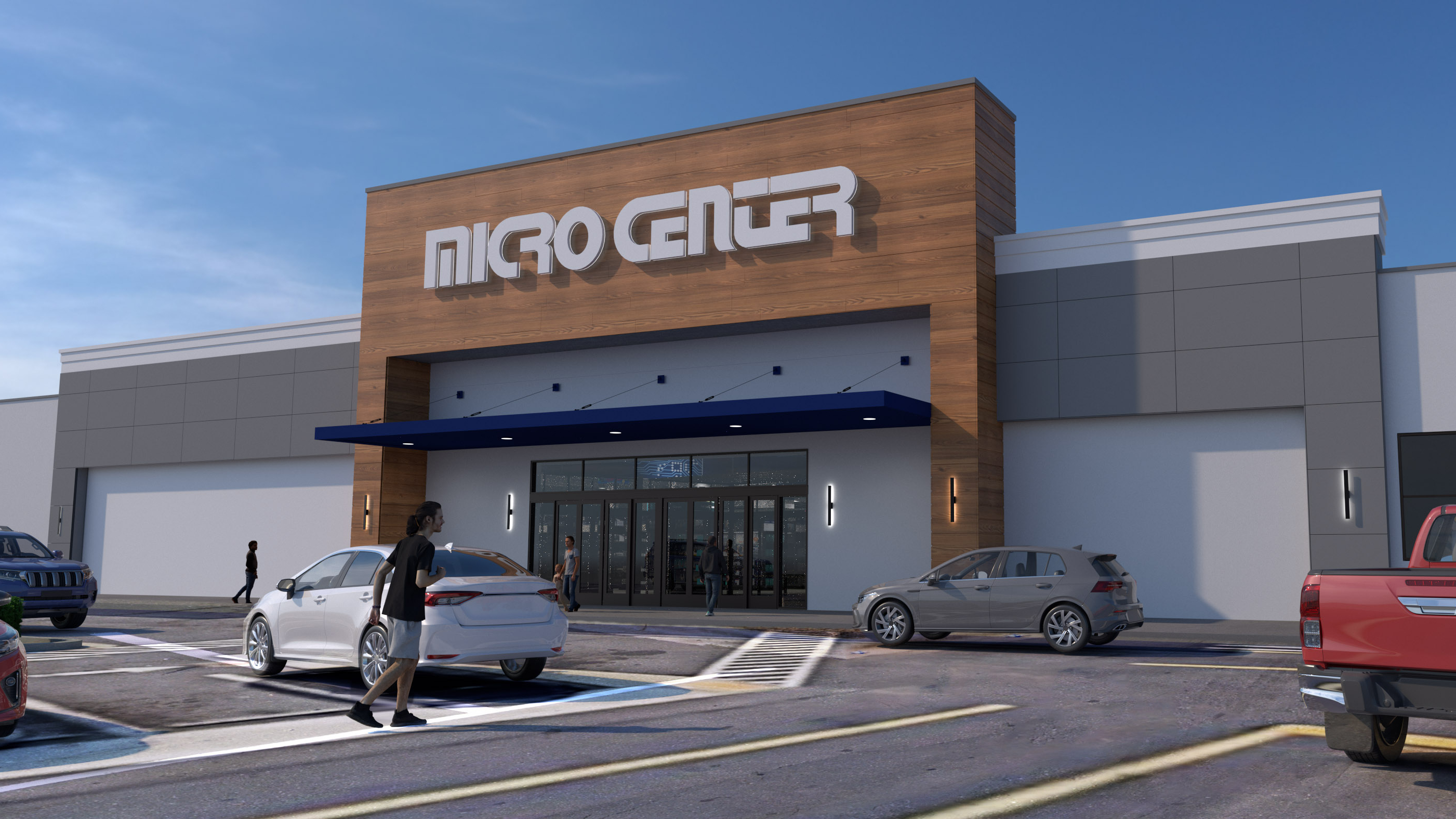
Micro Center Ask anyone who builds their own computers where they prefer to shop in person, and Micro will come up in the conversation almost immediately. The store has become the spiritual home of the PC building hobby in America, and its role in that community goes far beyond simply stocking the parts people need. Micro has actively cultivated a relationship with the DIY computer building world that feels genuine rather than corporate and the community has responded with remarkable enthusiasm.
The selection of components at Micro Center is genuinely impressive. CPUs, motherboards, graphics cards, RAM, storage drives, power supplies, cases, cooling solutions the depth of inventory in these categories puts most competitors to shame. Walking through the computer components section of a Center store is an experience that online shopping simply cannot replicate, because you can physically compare products, read the packaging, and talk to staff members who actually know what they’re discussing. For enthusiasts who are serious about their builds, that experience has real value.
Micro Center also has a longstanding reputation for pricing CPU and motherboard bundles at aggressively discounted rates — a strategy that drives significant foot traffic and generates enormous goodwill among builders who appreciate the savings. These bundle deals have become something of a Micro legend in PC building communities online, regularly discussed and celebrated on forums and social media by people who make special trips to a Center location specifically to take advantage of them. It’s smart retail strategy dressed up as genuine generosity, and it works beautifully.
The In-Store Experience That Sets Micro Center Apart
One of the most consistent things you hear from Micro Center regulars is how different the in-store experience feels compared to every other electronics retailer. Part of this comes down to staffing. employs people who demonstrably know their products not just how to scan a barcode, but how to have a genuine technical conversation about the difference between two processors, the implications of different RAM configurations, or the best GPU options at a given budget. That expertise is increasingly rare in physical retail and enormously valuable to customers making significant purchasing decisions.
The store layout at Micro Center also deserves credit. The way products are organized and displayed makes genuine comparison shopping possible, which is something most retail environments actively discourage in favor of guiding you toward higher-margin items. At Center, you can stand in front of a wall of graphics cards, read the specs, compare the prices, and make an informed decision without feeling like you’re being herded. That respect for customer intelligence creates a shopping environment that enthusiasts genuinely enjoy rather than merely tolerate.
Beyond the hardware sections, Micro Center typically offers services including computer repair, custom PC building, and technical support — rounding out the experience into something closer to a full-service technology resource than a simple retail store. For customers who want products and help in the same place, that combination is enormously convenient and adds another layer to the Center value proposition that pure online retailers simply cannot match.
Micro Center Pricing Strategy and Why It Beats the Competition
Pricing is one of the most discussed aspects of the Micro Center experience, and the consensus among regular shoppers is pretty consistent — for certain categories of products, particularly computer components and CPUs, Micro prices are extremely competitive and sometimes outright unbeatable even compared to major online retailers. This pricing approach is a deliberate strategic choice that reflects a deep understanding of what drives customer loyalty in the tech space.
The CPU and motherboard bundle pricing mentioned earlier is perhaps the most famous expression of Micro pricing philosophy, but it extends throughout the store in various forms. Open-box deals, clearance items, and regular promotional pricing create a shopping environment where attentive customers consistently find genuine value. Unlike some retailers where sale pricing feels theatrical, Micro Center’s deals tend to be substantive — the kind that make you feel like you actually won something rather than just paying the regular price with a different sticker on it.
What’s particularly smart about Micro approach is how the pricing strategy on marquee items like processors drives traffic that then benefits the entire store. Someone who comes in specifically for a discounted CPU bundle often leaves with thermal paste, cable management solutions, an additional storage drive, or other accessories they needed anyway. The loss-leader pricing philosophy, executed with genuine depth on the flagship items, creates a shopping dynamic that benefits both the customer and the store simultaneously.
The Limited Location Problem and Why People Travel for Micro Center
Here is the one genuinely frustrating reality of being a Micro fan the store doesn’t have nearly enough locations. With roughly two dozen stores concentrated primarily in major metropolitan areas across the United States, a significant portion of the American population simply doesn’t have reasonable access to one. This geographic limitation is the single most common complaint in any online conversation about Micro Center, and it’s a valid one.
The remarkable thing is how this limitation has actually reinforced Micro Center’s legendary status rather than undermined it. People routinely drive two, three, or even four hours to reach their nearest when they’re planning a significant build or purchase. This kind of destination shopping behavior making a special trip to a specific retailer the way you might plan a visit to a notable attraction is virtually unheard of in modern retail and speaks volumes about how strongly customers value the experience.
Online communities dedicated to PC building are full of posts from people lamenting that they don’t live near a Micro, interspersed with people who do live near one offering condolences to those who don’t. That dynamic — where proximity to a retail store is treated as a genuine quality-of-life factor — is perhaps the most eloquent possible testament to what Micro has built. The demand for more locations is real, vocal, and persistent, which suggests the company has significant untapped growth potential if it ever chooses to pursue broader geographic expansion.
Micro Center Online Presence and the Omnichannel Reality
Given how beloved the in-store experience is, it might surprise some people to learn that Micro online retail operation is significantly more limited than its physical store experience. The company does maintain a website where customers can browse inventory, check local stock, and in some cases place orders for in-store pickup — but Micro does not offer the kind of full-service national online shopping and shipping experience that competitors like Amazon or Newegg provide. This is a deliberate choice that reflects the company’s fundamental commitment to the physical retail model.
For regular Micro Center shoppers, the website serves primarily as a research and planning tool rather than a purchasing destination. Checking whether a specific item is in stock at your local store before making the drive is probably the most common use case, and Micro inventory checking tool is genuinely useful for this purpose. The real-time stock information prevents wasted trips and helps customers plan their visits more effectively — a practical acknowledgment that their customers’ time has value.
Whether Micro Center limited online retail strategy is a sustainable long-term position is a question that tech industry observers debate with genuine interest. The physical store experience is clearly differentiated and valuable, but the growing dominance of online shopping in the electronics space creates pressure that even the most beloved physical retailers eventually have to reckon with. For now, Micro Center’s in-store strength appears robust enough to sustain the model — but the online question remains an open and interesting one for the company’s future.
Why Micro Center Survives Where Others Have Failed
The collapse of so many electronics retail chains over the past two decades makes Micro Center continued success genuinely remarkable. CompUSA, Circuit City, Fry’s Electronics all gone, all victims of changing consumer behavior, poor strategic decisions, or both. Micro Center has watched its competitors disappear one by one while continuing to operate, expand incrementally, and grow its customer base. Understanding why requires looking honestly at what the company gets right that others got wrong.
Specialization is the first answer. While competitors tried to be everything to everyone across enormous store footprints, Micro stayed focused on technology and went extraordinarily deep within that category. That focus allows for genuine expertise in staff knowledge, in product selection, and in the shopping experience that generalist retailers simply cannot replicate. Depth beats breadth in specialty retail, and Micro Center has always understood this.
The second answer is genuine customer respect. Micro Center’s entire operation is built around the assumption that its customers are knowledgeable, engaged, and capable of making informed decisions when given the right environment. That assumption shapes everything from how products are displayed to how staff are trained to how pricing is structured. In an industry full of retailers that treat customers as targets to be upsold and manipulated, Micro posture of genuine service and honest value creates loyalty that advertising budgets cannot buy.
Final Thoughts Long Live Micro Center
Micro Center represents something increasingly rare in American retail a specialty store that genuinely excels at what it does, respects its customers, and has built a community around an authentic shared passion for technology. In a landscape dominated by algorithmic online shopping and generic big-box experiences, Micro feels like a throwback to a time when specialty retail meant something except it’s not a throwback, it’s a living, thriving example of what retail can be when it’s done right.
For those lucky enough to live near one, Micro is not just a store. It’s a destination, a resource, and for many tech enthusiasts, something close to a second home. For those who don’t, the dream of having one nearby remains very much alive a testament to a retail experience worth traveling for.
You May Also Read