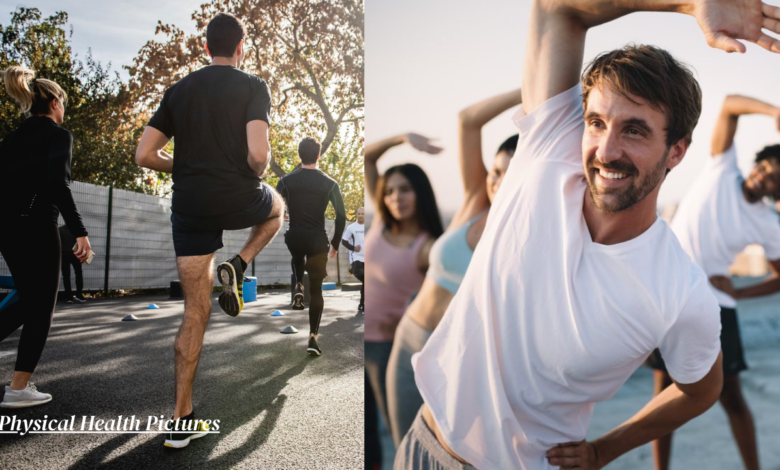
Physical Health Pictures We live in a world where a quick glance can tell us a lot. Think about it when you look at a photograph of someone, you can often sense whether they are thriving or struggling, even before they say a single word. Physical health pictures, whether we are talking about real-life visual cues on a person’s body or professional health imagery used in medical and wellness contexts, carry an incredible amount of information. Understanding what these pictures represent and how to read the signs of good or poor physical health is something that can genuinely change your life. It helps you pay attention to your own body, make smarter choices, and take action before small issues become big ones. In this article, we are going to break down everything you need to know about physical health pictures from what a healthy body actually looks like to the subtle warning signs you should never ignore.
What Physical Health Pictures Really Represent
When most people hear the term physical health pictures, they immediately think of fitness magazine covers or hospital charts. But the concept runs a lot deeper than that. Physical health pictures are essentially visual representations of a person’s overall bodily condition they capture the state of your muscles, skin, posture, energy levels, and so much more. Whether it is a photo, a scan, or even the reflection you see in the mirror every morning, these images tell a story about how well your body is functioning on the inside.
In a medical setting, physical health pictures often refer to diagnostic imaging like X-rays, MRIs, and ultrasounds. These tools give doctors a window into the body that was simply not possible a century ago. They allow healthcare professionals to detect issues early, monitor ongoing conditions, and make treatment decisions based on what they can literally see. But beyond the clinical world, physical health pictures also include everyday visual cues the way someone carries themselves, the brightness of their eyes, the condition of their hair and nails, and even the tone of their skin. All of these are indicators of physical health that can be observed and interpreted.
Understanding what to look for in physical health pictures empowers you. It turns passive observation into an active tool for wellness. When you know what a healthy spine looks like on a posture chart, or what clear versus inflamed skin signals about your diet and hydration, you start to see your own body in a new light. This awareness is not about being obsessive it is about being informed. And being informed is one of the most powerful things you can do for your long-term health.
Visual Signs of a Healthy Body

A truly healthy body has certain visual hallmarks that are hard to fake. Good Physical Health Pictures tends to show up in the most obvious places and once you know what to look for, you will start noticing it everywhere. The skin is often the first giveaway. Healthy skin is well-hydrated, relatively even in tone, and has a natural glow that comes from good circulation, proper nutrition, and adequate sleep. It is not about being flawless or airbrushed it is about that genuine vitality that comes from the inside out.
Posture is another major visual indicator of physical health. When you look at physical health pictures of people who are fit and well, one of the first things you notice is how they hold themselves. Good posture means a straight spine, relaxed shoulders that are not hunched forward, a neutral neck position, and a balanced stance. Poor posture, on the other hand, can signal muscle imbalances, weakness in the core, or long-term habits that have slowly pulled the body out of alignment. Over time, bad posture does not just look unhealthy — it causes real pain, reduced mobility, and even affects organ function.
Healthy body weight and muscle tone also show up clearly in physical health pictures. This does not mean everyone needs to look like an athlete. What it does mean is that a body with a healthy ratio of muscle to fat generally functions better, moves more efficiently, and carries less risk of chronic disease. Muscle definition, especially around the core and limbs, often reflects consistent physical activity. Meanwhile, a healthy weight — which varies significantly from person to person based on genetics, frame, and other factors — is one that allows the body to move freely without placing unnecessary strain on the joints, heart, or respiratory system.
Warning Signs You Can See in Physical Health Pictures
Not all physical health pictures tell a positive story, and that is perfectly okay because recognizing warning signs early is one of the most valuable skills you can develop. One of the most common visual warning signs is skin discoloration. Yellowing of the skin or eyes, known as jaundice, can indicate liver problems. A pale or ashy complexion can point to anemia or poor circulation. Dark circles under the eyes are often associated with chronic sleep deprivation or dehydration, both of which have serious consequences for physical health if left unaddressed.
Hair and nail changes are also visual cues that something may be off internally. Brittle nails, unusual nail ridges, or nails that have changed color can all be linked to nutritional deficiencies or underlying health conditions. Hair thinning or excessive shedding might signal hormonal imbalances, thyroid issues, or a lack of key nutrients like iron, zinc, or biotin. These are the kinds of details that physical health pictures can capture and that a trained eye or even an attentive individual can pick up on during a routine self-check.
Swelling, particularly in the legs, ankles, or feet, is another warning sign that is clearly visible in physical health pictures and should never be dismissed. It can be a sign of fluid retention, which itself may be linked to heart, kidney, or liver problems. Visible weight loss or gain that happens rapidly and without a clear reason is also a red flag worth taking seriously. The body is a remarkably communicative system, and when something is wrong, it almost always finds a way to show it — often in ways that are visible to the naked eye.
The Role of Physical Health Pictures in Preventive Care
Physical Health Pictures Preventive care is one of the most important aspects of modern medicine, and physical health pictures play a central role in it. Routine diagnostic imaging — things like mammograms, bone density scans, and colonoscopies are specifically designed to catch problems before symptoms even appear. These are not just tools for sick people. They are tools for everyone, designed to create a clear picture of what is happening inside the body so that action can be taken as early as possible.
The concept of tracking physical health through pictures has also expanded into the digital age. People now regularly take progress photos to document their fitness journeys, and while this practice can sometimes tip into unhealthy territory, when done mindfully it is actually a powerful motivational and informational tool. Comparing physical health pictures over time helps you see changes in muscle mass, posture, skin health, and overall vitality that a scale or a number can never fully capture. It gives a more complete, human picture of where your health stands.
Health professionals also use physical health pictures to communicate with patients more effectively. Showing someone a visual representation of what a healthy heart looks like versus a damaged one, or what a normal posture looks like versus a compromised one, creates an immediate, intuitive understanding that words alone often fail to achieve. Visuals make abstract concepts concrete, and in the world of preventive care, that ability to communicate clearly can quite literally save lives.
How Lifestyle Choices Show Up in Physical Health Pictures
Here is something that most people do not fully appreciate: your daily lifestyle choices show up in physical health pictures more clearly than almost anything else. Your diet, sleep habits, exercise routine, stress levels, and substance use all leave visible marks on your body over time. Someone who eats a nutrient-rich diet, stays hydrated, and gets enough sleep will look visibly different from someone who survives on processed food and barely sleeps — and this difference only becomes more pronounced with age.
Smoking is one of the most dramatic examples of a lifestyle choice that shows up clearly in physical health pictures. Chronic smokers often develop premature wrinkles, especially around the mouth and eyes, due to the reduction of collagen production caused by tobacco. Their skin tone tends to be uneven and dull, and over time their teeth and fingernails may become discolored. These visible signs are a direct reflection of what smoking does to the body on a cellular level, and they often appear long before the more serious internal damage becomes symptomatic.
On the positive side, regular physical exercise creates some of the most striking transformations visible in physical health pictures. Consistent training builds lean muscle, improves posture, reduces body fat, and gives the skin a healthy, flushed quality from improved circulation. People who exercise regularly also tend to carry themselves with more confidence and ease, which itself is a kind of physical health picture one that radiates energy and capability. The takeaway here is simple: your body keeps score, and it is not shy about showing it.
Using Physical Health Pictures as a Personal Wellness Tool
Taking charge of your health does not always require a medical degree or expensive equipment. One of the simplest and most effective things you can do is start paying attention to the physical health pictures available to you every single day — starting with your own body in the mirror. Learning to do a basic visual self-assessment can help you catch early warning signs, track your progress toward health goals, and develop a deeper, more respectful relationship with your body.
One practical approach is to periodically photograph yourself and compare the images over time — not with a critical or judgmental eye, but with curiosity and care. Are you standing taller? Does your skin look healthier? Have you noticed changes in muscle tone or body composition? These are all valuable pieces of information that can help guide your wellness decisions. Combined with regular check-ups with a healthcare provider, this kind of visual self-awareness creates a well-rounded picture of where your health currently stands and where it is heading.
It is also worth engaging with physical health pictures in an educational context. Looking at anatomy charts, health infographics, and medical illustrations helps you understand what a functioning, healthy body is supposed to look like — and it makes it much easier to recognize when something seems off. The more visual literacy you develop around physical health, the better equipped you are to advocate for yourself in medical settings and to make proactive choices in your daily life. Physical health is not just something you feel — it is something you can see, track, and actively improve.
Final Thoughts
Physical health pictures are far more than just images they are windows into the most important system you will ever manage: your own body. From the diagnostic power of medical imaging to the everyday visual cues your body sends you through skin, posture, and energy, these pictures carry real, actionable information. Learning to read them is a skill that pays dividends for a lifetime.
Whether you are just beginning your health journey or you have been at it for years, taking time to understand what physical health looks like in yourself and in the resources around you — is always worth the effort. Pay attention to the signs your body is showing you, use the tools available to track your progress, and never underestimate the power of a clear, honest picture. Your health is worth seeing clearly.
You May Also Read