iHeartRadio Music Festival The Ultimate Celebration of Music Culture and Live Entertainment

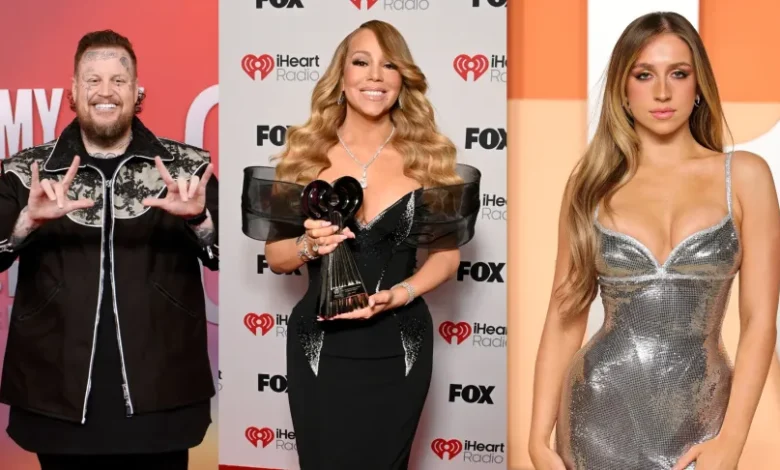
iHeartRadio Music Festival If you’ve ever dreamed about watching your favorite artists perform back-to-back on one of the biggest stages in the world, the iHeartRadio Music Festival is probably already on your bucket list. This annual event has grown from a relatively bold idea into one of the most anticipated music festivals in the United States, drawing massive crowds, globally recognized headliners, and millions of online viewers every single year. It’s not just a concert — it’s an experience that music fans talk about for months afterward.
What makes this festival genuinely stand out in a world already packed with music events? It’s the combination of scale, variety, and sheer star power. Whether you’re a pop lover, a country fan, a hip-hop head, or someone who just appreciates great live music in general, the iHeartRadio Music Festival consistently delivers something for everyone. It’s that rare kind of event where you might see a rock legend share the same weekend lineup with a chart-topping pop princess and a Grammy-winning rapper.
In this article, we’re going to break down everything you need to know about the iHeartRadio Music Festival — its history, what makes it tick, the performers who have graced its stages, how you can attend or watch it, and why it continues to dominate conversations every fall. Let’s get into it.
The History and Origin of the iHeartRadio Music Festival
The iHeartRadio Music Festival made its debut in 2011, and honestly, it came onto the scene with a bang. Organized by iHeartMedia — the media and entertainment giant formerly known as Clear Channel Communications — the festival was launched in Las Vegas as a way to celebrate the launch of the iHeartRadio digital music streaming platform. Right from the jump, organizers weren’t thinking small. The first edition featured an incredible roster of acts that spanned multiple genres, setting the tone for everything that would follow.
Las Vegas was a natural choice for the festival’s home. The city has long been a hub for entertainment, and the MGM Grand Garden Arena — which became the festival’s signature venue — offered the kind of intimate yet grand setting that high-profile performances demand. Over the years, the festival has expanded its footprint within Vegas, adding a Daytime Stage component that brought a more casual, outdoor concert feel to complement the main evening shows. This expansion gave fans even more value and turned the event into a full weekend affair rather than just a single night out.
Since those early days, the festival has evolved significantly. It moved with the times, embraced streaming and social media in ways that many traditional festivals were slow to adopt, and consistently refreshed its lineup strategy to stay relevant with younger audiences while still honoring its core fanbase. More than a decade in, the iHeartRadio Music Festival remains one of the crown jewels of the American music calendar.
Legendary Performers Who Have Taken the Stage

The performer lineups at the iHeartRadio Music Festival are, in a word, ridiculous — and we mean that in the best way possible. Over the years, the stage has welcomed some of the most iconic names in music history. We’re talking about artists like Taylor Swift, Beyonce, Coldplay, Bruno Mars, Jay-Z, Pitbull, Usher, Jennifer Lopez, Lady Gaga, and Foo Fighters. Each edition seems to outdo the last when it comes to the sheer prestige of the names on the bill.
One of the things that sets this festival apart from others is its genuine genre diversity. On any given night, you might see a legendary rock band open the show, followed by a country megastar, then a hip-hop icon closing things out. This isn’t just a pop festival disguised as something broader — it really does pull from across the musical spectrum in a way that feels authentic rather than forced. Fans who attend often leave having discovered artists they hadn’t paid much attention to before, simply because the programming is so well-curated.
It’s also worth noting that the iHeartRadio Music Festival has been a platform for some genuinely memorable career moments. Artists have used this stage to debut new material, surprise fans with unannounced collaborations, or simply deliver the kind of career-best performances that get clipped and shared millions of times on the internet. For many acts, performing at this festival signals that they’ve reached a certain level — it’s an achievement in itself, and the audience knows it.
The Las Vegas Experience Why the Location Matters
You could technically hold a great music festival almost anywhere, but Las Vegas adds a layer to the iHeartRadio Music Festival that simply can’t be replicated elsewhere. The city is purpose-built for entertainment, hospitality, and spectacle, and that energy seeps into every part of the festival experience. Attendees aren’t just coming for the shows — they’re coming for the entire Vegas weekend package, and iHeartMedia has always leaned into that.
The MGM Grand Garden Arena has been the spiritual home of the festival’s main stage performances, and it’s an ideal venue for this kind of event. It seats around 17,000 people but has an intimate feel relative to its size, which means even fans sitting at the back feel genuinely connected to what’s happening on stage. The production values inside that arena — the lighting rigs, the sound systems, the stage design — are consistently world-class, matching the caliber of the artists performing.
Beyond the arena itself, Las Vegas makes the festival a destination event in a way that a festival held in, say, a suburban park simply cannot. Fans fly in from across the country and around the world, turning it into a massive gathering of music lovers who also happen to be in one of the most entertaining cities on the planet. Hotels, restaurants, and the broader Las Vegas strip all become part of the iHeartRadio Music Festival ecosystem for that weekend, creating a vibe that’s hard to describe and even harder to forget.
The Daytime Village A Festival Within a Festival
While the main nighttime shows at the MGM Grand tend to grab the headlines, the Daytime Village component of the iHeartRadio Music Festival deserves its own spotlight. Held at the Las Vegas Festival Grounds, the Daytime Village is an outdoor concert experience that runs during the afternoon hours before the evening shows kick off. It has a completely different atmosphere from the indoor arena — more relaxed, more festival-like in the traditional sense, with the sun beating down and a general feeling of community among the fans.
The Daytime Village typically features a strong lineup of emerging artists alongside some more established names, making it a genuinely great place to discover new music. For many up-and-coming acts, a slot at the iHeartRadio Daytime Village represents a major step forward in their careers — the visibility alone from being part of this event can open a lot of doors. Fans who attend often credit the Daytime Village with introducing them to artists who later became some of their favorites.
The outdoor setting also brings with it all the classic festival trappings — food vendors, merch booths, fan activations from sponsors, and plenty of social media moments waiting to happen. It’s a more casual, approachable version of the festival experience, and it gives attendees a full day of programming before the headline acts take over at night. Together, the Daytime Village and the evening arena shows make for an incredibly full and satisfying festival weekend.
How to Watch and Attend the iHeartRadio Music Festival
Getting into the iHeartRadio Music Festival is a bit different from buying tickets to a regular concert. The event has historically used a mix of ticket sales and contest giveaways to fill seats, which means winning your way in through iHeartRadio’s various promotions has always been a legitimate path for fans. iHeartRadio stations across the country frequently run contests tied to the festival, and entering those is often one of the most accessible ways for everyday fans to score a ticket.
For those who can’t make it to Vegas in person, iHeartMedia has always offered strong broadcast and streaming options. The festival performances are typically broadcast on iHeartRadio’s radio stations and streamed via their digital platforms, allowing millions of fans who aren’t in the arena to still feel part of the action. Over the years, certain performances have also aired on television through partner networks, giving the festival an even broader reach and making it accessible to audiences who might not typically engage with streaming platforms.
The digital reach of the iHeartRadio Music Festival is genuinely massive. Social media handles the rest — clips, highlights, fan reactions, and backstage content flood platforms like Instagram, TikTok, and X (formerly Twitter) throughout the festival weekend, creating a kind of virtual attendance experience for fans around the world. In many ways, the iHeartRadio Music Festival is one of the most digitally engaged music events in existence, and that’s a big part of why it keeps growing its audience year after year.
The Cultural Impact of the iHeartRadio Music Festival
In just over a decade of existence, the iHeartRadio Music Festival has carved out a genuinely significant place in American pop culture. It’s not just an event that music fans follow — it’s a cultural conversation. When the lineup drops each year, it generates real discussion about the state of the music industry, which artists are at the top of their game, and what genres are dominating the cultural moment. In that sense, the festival functions as an annual snapshot of where popular music stands.
The festival has also played a quiet but real role in shaping radio culture and the music industry’s relationship with live events. Because iHeartMedia controls a massive network of radio stations, the festival’s performers often receive significant radio airplay support around the time of the event, creating a symbiotic relationship between the live experience and the broadcast world. This kind of integration between radio, digital streaming, and live performance is something that other festivals have tried to replicate, but few have done as effectively.
On a broader level, the iHeartRadio Music Festival represents what music festivals can be when they prioritize accessibility, variety, and genuine star power over niche appeal. It’s not trying to be Coachella, and it’s not trying to be a grassroots indie event. It knows exactly what it is — a massive, joyful celebration of popular music — and it delivers on that premise with remarkable consistency. That clarity of vision is a big reason why the festival has such a loyal following.
What to Expect When You Attend
If you’re planning to attend the iHeartRadio Music Festival for the first time, it helps to know what you’re walking into. The event typically spans two days, with the Daytime Village running in the afternoon and the main arena shows taking place in the evening. This means you’re looking at a genuinely full schedule — showing up just for one portion is possible, but most attendees try to soak up as much of the experience as they can across the entire weekend.
Logistically, Las Vegas is well set up to handle the influx of festival-goers. The MGM Grand is a massive resort with thousands of hotel rooms, and many attendees choose to stay on property for the convenience of it. If you’re traveling in from out of town, booking accommodation early is genuinely essential — the festival draws visitors from across the country, and hotel availability near the Strip tightens up quickly once the lineup announcement drops.
In terms of the atmosphere inside the arena, expect a crowd that is enthusiastic, knowledgeable, and diverse. These are real music fans who know the artists’ catalogs and aren’t shy about showing it. The energy during the headline performances is electric in a way that only truly large-scale live events can generate. First-timers often come away saying that photos and videos don’t do it justice — you really have to be in the room to feel it fully.
Why the iHeartRadio Music Festival Keeps Growing
It’s fair to ask why the iHeartRadio Music Festival continues to expand its audience and influence when the music festival industry is, in many ways, a crowded and competitive space. The answer has a few layers to it. First, the backing of iHeartMedia gives the festival resources and promotional reach that most independent events simply can’t match. When you have one of the largest radio networks in the country behind your event, getting the word out is a solved problem.
Second, the festival has been smart about evolving with its audience. As streaming took over from traditional radio, the iHeartRadio platform grew with it, and the festival grew along with the platform. As social media became the dominant form of music discovery and fan engagement, the festival leaned into that too. There’s a willingness to adapt here that keeps the event feeling current rather than dated, which is no small thing for an annual event that has to compete for attention every year.
Third — and perhaps most importantly — the festival simply delivers a great experience year after year. In the entertainment world, reputation is everything, and the iHeartRadio Music Festival has built a strong one by consistently booking incredible talent, producing world-class shows, and giving fans genuine value for their time and money. Word of mouth from happy attendees is one of the most powerful marketing tools in existence, and the festival has benefited from it enormously over the years.
Final Thoughts
The iHeartRadio Music Festival is, at its heart, a love letter to popular music. It brings together the biggest names in the industry, places them in one of the world’s great entertainment cities, and invites fans to be part of something genuinely special. Whether you attend in person, tune in via radio, or catch the highlights on your social media feed, this festival has a way of making you feel connected to music in a way that everyday listening simply can’t replicate.
For anyone who loves music and hasn’t yet experienced the iHeartRadio Music Festival, it belongs on your radar. Keep an eye on lineup announcements, watch for ticket and contest opportunities on iHeartRadio’s platforms, and if you get the chance to be in Las Vegas for that weekend — take it. Concerts come and go, but the iHeartRadio Music Festival is the kind of event that leaves a mark.
Music has always been one of the most powerful forces in human culture, and the iHeartRadio Music Festival understands that deeply. It doesn’t just book artists — it creates moments. And in a world where entertainment options are essentially unlimited, the ability to create genuine, shared moments is the rarest and most valuable thing of all.
You May Also Read