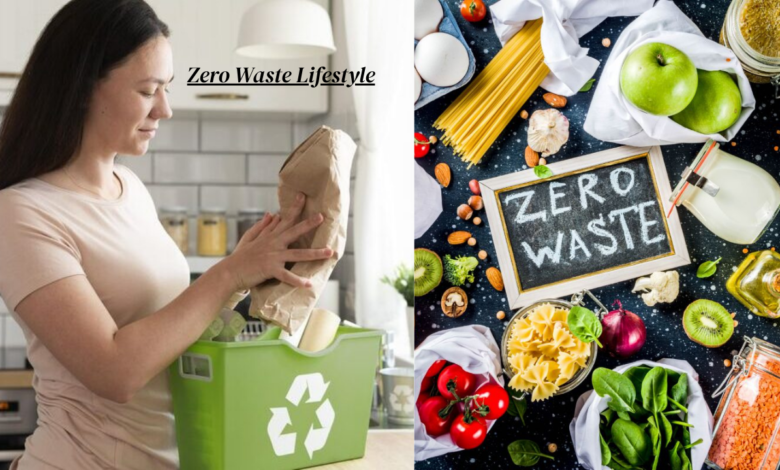
Zero Waste Lifestyle let’s be honest when most people hear the phrase zero waste lifestyle they picture someone living in a tiny cabin, making their own soap, and fitting an entire year’s worth of trash into a mason jar. While that image makes for a great social media post, it’s not exactly the most realistic picture for the average person. The truth is, a zero waste lifestyle is much more accessible, flexible, and genuinely rewarding than the internet makes it look. It’s not about perfection. It’s about making smarter choices, one habit at a time.
The zero waste movement has been gaining serious momentum over the past decade, and for good reason. With landfills overflowing, plastic pollution choking our oceans, and climate change accelerating at an alarming rate, people are starting to ask themselves a simple question what can I actually do? The zero waste lifestyle is one of the most practical answers to that question. It puts the power back in your hands and transforms everyday decisions what you eat, what you buy, how you shop into meaningful environmental actions.
This guide is here to walk you through what a zero waste lifestyle actually looks like in the real world. We’ll cover the principles behind it, how to get started without losing your mind, and how to build sustainable habits that stick for the long haul. Whether you’re a complete beginner or someone who’s already ditched plastic bags and is looking to go deeper, there’s something here for you.
What Exactly Is a Zero Waste Lifestyle
A zero waste lifestyle is a way of living that aims to reduce the amount of trash you send to landfills and incinerators as much as possible. The goal is to rethink how you consume, use, and dispose of things moving away from the throwaway culture that has dominated modern life and toward a more circular, thoughtful approach. In a zero waste framework, the ideal outcome is that resources are used for as long as possible, waste is minimized at the source, and nothing ends up as landfill material if it can be helped.
The five R’s form the backbone of zero waste thinking: Refuse, Reduce, Reuse, Recycle, and Rot. The order matters here. Refusing unnecessary items and reducing what you consume in the first place are considered far more impactful than recycling. That might come as a surprise, since recycling is what most people think of first when they want to be environmentally responsible. But recycling, while useful, still requires energy and resources. Refusing and reducing cut the problem off at the root.
It’s also worth understanding what zero waste is not. It’s not about living uncomfortably, spending a fortune on fancy eco-products, or achieving literal zero waste overnight. The term ‘zero waste’ is more of a guiding philosophy than a strict rule. Most people who identify with this lifestyle still produce some waste — and that’s okay. The goal is progress, not perfection. Every piece of plastic refused, every jar reused, and every item repaired instead of replaced is a genuine win.
Why the Zero Waste Lifestyle Matters More Than Ever

Zero Waste Lifestyle Here’s a sobering statistic the average person generates over four pounds of trash per day. Multiply that by 8 billion people and you start to grasp the scale of the problem. Landfills are not just unsightly they’re major contributors to greenhouse gas emissions, particularly methane, which is significantly more potent than carbon dioxide as a warming agent. When organic material like food decomposes in an oxygen-deprived landfill environment, it releases methane in large quantities. Reducing what ends up in landfills directly reduces those emissions.
Plastic pollution is another driving factor behind the zero waste movement. Since the 1950s, humans have produced an estimated 8.3 billion metric tons of plastic, and the vast majority of it still exists in some form today. Much of it ends up in waterways and oceans, where it breaks down into microplastics that enter the food chain — including ours. Adopting a zero waste lifestyle means dramatically cutting your plastic use, which in turn means less plastic flowing into ecosystems that can’t handle it.
Beyond environmental impact, there’s a powerful personal dimension to this lifestyle. People who commit to reducing their waste often report feeling more intentional, less stressed, and more connected to their values. When you stop impulse buying, stop accumulating stuff you don’t need, and start appreciating quality over quantity, something shifts. The zero waste lifestyle has a way of simplifying life in ways that go far beyond the trash can. It encourages you to slow down, be more mindful, and build a relationship with your consumption that’s actually sustainable — in every sense of the word.
Starting Your Zero Waste Journey The Basics
The best way to start a zero waste lifestyle is to do a trash audit. Spend a week collecting your trash without throwing anything away yes, all of it and then lay it out and really look at it. What patterns do you see? For most people, the biggest culprits are food packaging, single-use plastic, paper products, and food waste. Seeing it laid out in front of you is a powerful motivator, and it tells you exactly where to focus your energy first.
Once you know where your waste is coming from, start small. Don’t try to overhaul your entire life in a weekend. Pick one area — maybe your bathroom, maybe your grocery shopping routine — and work on that until the new habits feel natural. Swap out single-use cotton rounds for reusable ones. Bring a tote bag to the grocery store. Buy a reusable water bottle. These changes seem minor, but they build a foundation of awareness and intention that makes the bigger shifts much easier down the line.
Shopping habits are a huge part of the zero waste lifestyle. Buying in bulk, choosing products with minimal or plastic-free packaging, shopping secondhand, and supporting local businesses that align with sustainable values are all part of the toolkit. Farmers’ markets are a fantastic resource — you can bring your own containers, buy fresh produce without any packaging, and often have a direct conversation with the person who grew your food. Once you start shopping this way, the aisles of a conventional supermarket look very different.
Zero Waste in the Kitchen
The kitchen is where most household waste is generated, which also means it’s where you have the greatest opportunity to make an impact. Food waste alone is a massive issue — roughly one-third of all food produced globally is wasted. At the household level, this shows up as forgotten leftovers, vegetables that go soft before you use them, and bread that goes stale. Meal planning is one of the simplest and most effective zero waste strategies you can adopt. When you know what you’re going to cook each week and shop accordingly, waste drops dramatically.
Composting is the other game-changer in a zero waste kitchen. Even with the best meal planning, some food scraps are unavoidable — vegetable peels, coffee grounds, eggshells, fruit cores. Instead of sending these to landfill where they’ll produce methane, composting returns them to the earth as nutrient-rich material. You don’t need a big backyard to compost. Countertop composters, worm bins, and municipal composting programs make it possible for apartment dwellers and city folk to compost too.
Reducing single-use items in the kitchen is another major lever. Beeswax wraps instead of plastic wrap, reusable silicone bags instead of zip-lock bags, cloth napkins instead of paper towels, and glass or stainless steel containers instead of disposable ones — these swaps last for years and save significant waste over time. You don’t have to buy all of these at once. Replace items as they wear out, choosing a durable, reusable option each time. Before long, your kitchen becomes a pretty low-waste zone without feeling like a sacrifice.
Zero Waste Shopping and Fashion
Fast fashion is one of the most environmentally damaging industries on the planet, and it’s also one of the biggest contributors to household waste. Cheap clothing is designed to be disposed of, and most of it ends up in landfills within a year of purchase. A zero waste approach to fashion starts with buying less and choosing quality over quantity. Ask yourself before any clothing purchase: will I wear this at least 30 times? If the answer is no, it probably doesn’t need to come home with you.
Secondhand shopping is the zero waste wardrobe’s best friend. Thrift stores, vintage shops, clothing swaps, and online resale platforms give you access to a massive range of clothing without generating any new demand on the fashion industry. The environmental case for buying secondhand is compelling — it extends the life of existing garments, keeps them out of landfills, and requires no new resources to produce. Plus, it’s often significantly cheaper than buying new, which is a bonus most people can get behind.
When it comes to general shopping, the zero waste principle is to consume less overall and make what you do buy count. Prioritize items that are well-made, repairable, and designed to last. Support brands that use sustainable materials and ethical supply chains. And before buying anything new, ask yourself whether you already own something that could serve the same purpose, or whether you could borrow it from someone. This kind of mindful consumption fundamentally changes your relationship with stuff — in the best possible way.
Zero Waste Personal Care and Bathroom
The bathroom might be the most plastic-heavy room in the average home. Shampoo bottles, conditioner, body wash, face wash, toothpaste tubes, razors, cotton swabs — it adds up fast. The good news is that this is also one of the easiest areas to transform. Shampoo and conditioner bars have come a long way in recent years and work brilliantly for most hair types. Solid body wash bars are a simple swap for liquid soap in a plastic bottle. These solid options last longer, produce no plastic waste, and often contain fewer synthetic chemicals.
Your oral care routine is another area ripe for zero waste upgrades. Bamboo toothbrushes replace the billion-plus plastic toothbrushes that end up in landfills each year. Toothpaste tablets or tooth powder in glass jars replace the plastic tube. Compostable or recyclable floss options are widely available now. None of these swaps require any sacrifice in hygiene or effectiveness — they just require a bit of habit adjustment and the willingness to try something slightly different.
For skincare and beauty, the zero waste approach focuses on simplifying. Many people use far more products than they actually need, and reducing your routine to a few high-quality, multi-purpose items can dramatically cut waste. Buying from brands that offer refill programs, use glass or aluminum packaging, or have a genuine commitment to sustainability makes a real difference. And for those willing to get a little DIY, making your own simple skincare products — like a face oil or a sugar scrub — using bulk ingredients gives you total control over what goes on your skin and eliminates packaging entirely.
Dealing With Challenges and Setbacks
Let’s be real: living a zero waste lifestyle in a world designed for disposability is not always easy. You’ll find yourself at a birthday party with no waste-free options, or at an airport where everything is wrapped in plastic, or in a small town where bulk buying and farmers’ markets simply don’t exist. These moments are not failures — they’re just reality. The zero waste lifestyle is not about never making a compromise. It’s about making the best choice available in any given situation and not letting the occasional slip derail your overall commitment.
Social pressure can also be a genuine challenge. Not everyone around you will understand why you’re bringing your own containers to a restaurant or declining a plastic straw, and some people might even find it annoying or preachy. The key is to live your values without forcing them on others. Lead by quiet example rather than loud lecturing. You’ll find that curiosity often replaces skepticism over time, and the people in your life will start asking questions rather than rolling their eyes.
Financial considerations are real too. Some zero waste products cost more upfront than their disposable counterparts, even though they save money over time. If budget is a constraint, focus on the free or low-cost changes first: refusing unnecessary items, reducing consumption, composting, buying secondhand, and fixing things instead of replacing them. The zero waste lifestyle is genuinely accessible at every income level when you approach it thoughtfully, and it tends to save money in the long run rather than cost more.
The Bigger Picture Community and Systemic Change
Individual action matters, but it’s important to understand that the zero waste lifestyle exists within a larger context. A significant portion of waste and pollution is generated not by individual consumers but by corporations and industrial systems. This doesn’t mean personal choices are pointless — far from it. Individual choices send market signals, normalize sustainable behavior, and build the kind of cultural shift that eventually forces systemic change. But personal action works best when it’s paired with civic engagement.
Getting involved in your community is one of the most powerful things a zero waste advocate can do. Supporting local composting programs, advocating for better recycling infrastructure, pushing for plastic bag bans and extended producer responsibility laws, and joining or supporting organizations working on waste reduction policy — these actions multiply your impact far beyond what your own household waste reduction can achieve. The zero waste lifestyle, at its best, is both a personal practice and a political statement.
The good news is that momentum is building. Cities around the world are implementing ambitious zero waste targets. Major companies are facing increasing pressure to reduce their packaging. Consumer demand for sustainable products is growing year over year. The conversation has shifted from whether waste reduction matters to how quickly we can scale meaningful solutions. By choosing a zero waste lifestyle, you’re not just reducing your own footprint — you’re part of a growing movement that’s genuinely changing the way the world thinks about waste, resources, and what it means to live well on this planet.
Final Thoughts
The zero waste lifestyle is not a destination — it’s a direction. It’s a daily practice of choosing differently, thinking more carefully, and refusing to accept that disposability is just the price of modern convenience. Some days you’ll nail it, some days you won’t, and that’s perfectly fine. What matters is that you keep showing up with intention and that the overall arc of your habits moves toward less waste, more meaning, and a lighter footprint on the earth.
Start where you are. Use what you have. Do what you can. The mason jar of annual trash is an inspiring image, but it’s not the point. The point is that millions of people making imperfect but genuine efforts to reduce waste adds up to something extraordinary. Your choices matter, your habits matter, and your willingness to try matters more than any single piece of plastic you might not be able to avoid.
Living a zero waste lifestyle is ultimately one of the most hopeful things you can do. It’s a daily vote for the kind of world you want to live in — one where resources are valued, waste is minimized, and the health of the planet is treated as a non-negotiable priority. And once you start living this way, there’s really no going back. Not because it’s a sacrifice, but because it just makes too much sense.
You May Also Read