
Running Plans for Beginners So you’ve decided to start running. That’s genuinely one of the best decisions you can make for your physical and mental health but let’s be real, lacing up your shoes and heading out the door without any structure is a recipe for burnout, injury, or just giving up after two weeks. That’s exactly why running plans for beginners exist, and why following one is so much smarter than winging it. A well-designed beginner running plan takes the guesswork out of the process, protects your body as it adapts to new demands, and builds the kind of consistency that turns running from a chore into a genuine lifestyle. Whether your goal is weight loss, stress relief, completing your first 5K, or simply getting more active, the right plan makes all the difference.
Why Structure Matters When You’re Just Starting Out
A lot of new runners make the same mistake they go out too hard, too fast, and too soon. They feel motivated, they push through the first run feeling great, and then they wake up the next morning barely able to walk down the stairs. This is where running plans for beginners genuinely save people from themselves. Structure isn’t a limitation it’s what allows your body to adapt progressively without breaking down in the process.
The human body is remarkably adaptable, but it needs time. Your cardiovascular system can improve relatively quickly, but your joints, tendons, and bones take longer to catch up with your growing fitness. Running plans for beginners account for this by building mileage and intensity gradually, giving every part of your body the recovery time it needs to strengthen properly. This progressive approach is backed by decades of sports science and coaching experience.
Beyond the physical side, structure also does something powerful for motivation. When you have a clear plan telling you exactly what to do on which days, the mental barrier of getting out the door shrinks significantly. You’re not making decisions — you’re following a roadmap. That psychological simplicity is one of the most underrated benefits of following running plans for beginners right from the start.
Understanding the Run Walk Method

If you’ve looked into Running Plans for Beginners at all, you’ve almost certainly come across the run-walk method and for good reason. This approach, popularized by Olympian Jeff Galloway among others, alternates between running intervals and walking recovery periods. It’s the foundation of many of the most effective beginner programs out there, and it works beautifully for people who are starting from a low fitness baseline.
The logic is straightforward. By breaking your workout into manageable running segments separated by walking recovery, you allow your heart rate to come back down, reduce the cumulative stress on your legs, and train for longer total durations than you could manage running continuously. Over time, the running intervals get longer and the walking intervals get shorter until you’re running continuously — but you get there gradually and safely.
Most running plans for beginners that use the run-walk method start with something like one minute of running followed by two minutes of walking, repeated across a twenty to thirty minute session. That sounds easy, and for the first week it should feel that way. The temptation is always to do more than the plan calls for. Resist that temptation. The beauty of a structured approach is that it builds on itself week by week, and skipping ahead only undermines the foundation the plan is trying to build.
A Sample 8 Week Beginner Running Plan
To give you a concrete sense of what running plans for beginners actually look like in practice, here’s a simple framework you can follow. This plan assumes three running days per week with rest or light activity on other days — a schedule that gives your body adequate recovery while building steady progress.
Weeks one and two focus on establishing the habit and letting your body adjust. Each session involves a five-minute brisk walk to warm up, followed by alternating sixty seconds of running and ninety seconds of walking for a total of twenty minutes, then a five-minute cool-down walk. The goal here isn’t speed or distance — it’s simply completion and consistency. Running plans for beginners always prioritize showing up over performing.
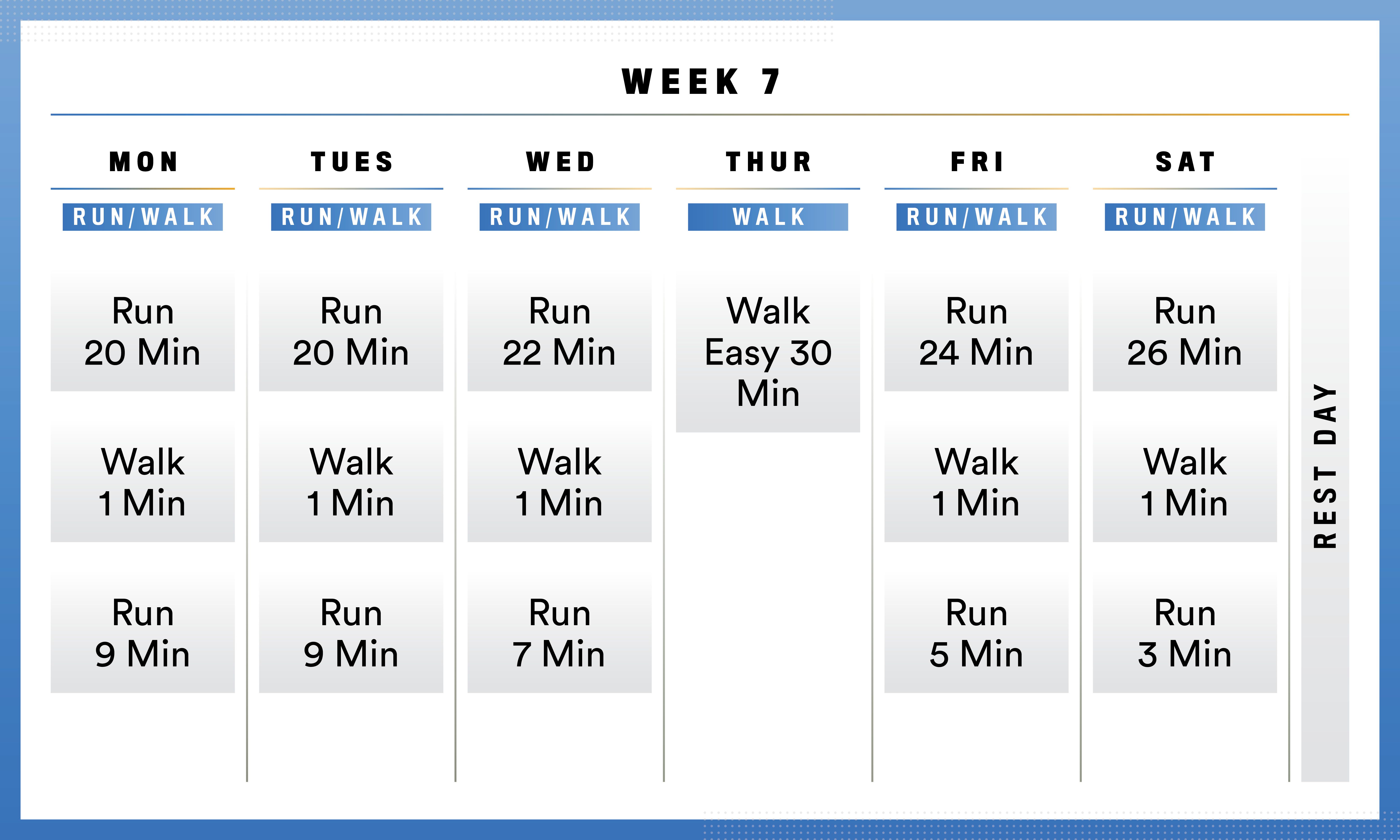
Weeks three and four start increasing the running intervals. Sessions now alternate ninety seconds of running with two minutes of walking, and the middle session of the week pushes to three-minute running intervals. By weeks five and six, you’re running for five minutes at a stretch with shorter walking breaks in between. Weeks seven and eight bring you close to running continuously for twenty to twenty-five minutes. By the end of this eight-week framework, most people who started with zero running background can comfortably run for twenty-five minutes without stopping — which is a remarkable transformation in just two months.
Choosing the Right Gear Before You Begin
Running plans for beginners cover the training side of things, but the gear conversation is equally important and often overlooked until someone gets a blister or a knee problem that sidelines them for two weeks. You don’t need to spend a fortune, but a few key investments make a significant difference to your comfort and injury risk.
The most important piece of kit is proper running shoes. Not cross-trainers, not fashion sneakers — actual running shoes fitted to your foot type and gait. Visit a dedicated running store and ask for a gait analysis. The staff will watch you walk or run briefly and recommend shoes that provide the right support for how your foot moves. This single investment is probably the most impactful thing you can do alongside following running plans for beginners properly.
Clothing-wise, moisture-wicking fabrics are your friend. Cotton holds sweat against your skin, which causes chafing and discomfort on longer runs. Technical running fabrics pull moisture away and dry quickly, keeping you comfortable throughout your workout. For women, a supportive sports bra is non-negotiable. None of this needs to be expensive — many affordable brands offer solid performance gear. The point is to set yourself up for comfort so that nothing physical becomes an excuse to cut a session short.
The Role of Rest and Recovery in Beginner Running
Here’s something that surprises a lot of new runners: rest days are not wasted days. They are a core, non-negotiable part of running plans for beginners — and treating them as such is what separates runners who progress steadily from those who get injured and lose momentum. Your body doesn’t get fitter during the run itself. It gets fitter during the recovery period that follows, when muscles repair and strengthen in response to the stress you put them through.
Most well-designed running plans for beginners schedule three running days per week with at least one full rest day between each session. On your non-running days, light activity like walking, swimming, or gentle yoga keeps you moving without adding stress to your running muscles. This approach maintains your activity habit while giving your legs the downtime they need to recover properly.
Sleep is also a recovery tool that doesn’t get enough credit in the context of running plans for beginners. Poor sleep impairs muscle repair, increases injury risk, and tanks your motivation to get out the door. Prioritizing seven to nine hours of quality sleep — especially in the days following harder training sessions — accelerates your progress in ways that no supplement or training hack can replicate. Rest smart, and your running will improve faster than you expect.
Nutrition and Hydration for New Runners
You don’t need to overhaul your entire diet the day you start following running plans for beginners, but a few nutritional basics can meaningfully support your progress and help you feel better during and after your runs. The most important thing at the beginning is simply making sure you’re fueling adequately and staying well hydrated.
For runs under forty-five minutes — which covers most sessions in beginner programs — you don’t need gels, sports drinks, or specialized running nutrition. A balanced meal two to three hours before your run, containing carbohydrates for energy and some protein, is perfectly sufficient. If you’re running first thing in the morning, a light snack like a banana or a slice of toast can top up your energy without sitting heavily in your stomach.
Hydration deserves special attention when following running plans for beginners. Many people start running mildly dehydrated without realizing it, which makes runs feel harder than they should and slows recovery afterward. Drink water consistently throughout the day — not just immediately before you run. After your session, rehydrate and consider a small protein-containing snack to support muscle recovery. These small habits compound over time and make your entire running experience noticeably better.
Staying Motivated When the Novelty Wears Off
Every runner hits a point — usually somewhere around weeks three or four — where the initial excitement fades and the effort starts feeling more real. This is the critical moment that running plans for beginners need to prepare you for mentally, not just physically. Motivation gets you started, but habit and strategy are what keep you going when motivation dips.
One of the most effective strategies is to sign up for a beginner-friendly race — most commonly a 5K — as a concrete goal to work toward. Having a race on the calendar transforms your running plan from an open-ended commitment into a focused mission with a clear endpoint. Running plans for beginners that are structured around a 5K goal tend to produce higher completion rates precisely because the goal is specific, achievable, and time-bound.
Finding community also helps enormously. Whether it’s a local running club, a friend who runs at a similar pace, or an online group of people following the same program, social accountability is a powerful motivator. Sharing your progress, celebrating small milestones, and having someone check in on whether you completed your weekly sessions turns running from a solitary discipline into a shared experience. Running plans for beginners work best when they’re supported by a community that keeps you honest and celebrates how far you’ve come.
Final Thoughts Trust the Process and Enjoy the Journey
The most important thing to take away from all of this is simple — trust the plan. Running plans for beginners are designed by people who understand how the body adapts, how motivation ebbs and flows, and what new runners need to succeed. When a session feels too easy, that’s the plan working. When a session feels hard, that’s your body growing stronger. Every run, easy or tough, is building something real.
Give yourself permission to be a beginner. Progress won’t always be linear, some weeks will be harder than others, and that’s completely normal. What matters is consistency over time. Follow your running plans for beginners with patience and commitment, and a few months from now you’ll look back amazed at how far you’ve come from that very first run-walk session.
You May Also Read