Delta Connection DL3543 Emergency Landing What Really Happened and What It Means for Air Travel

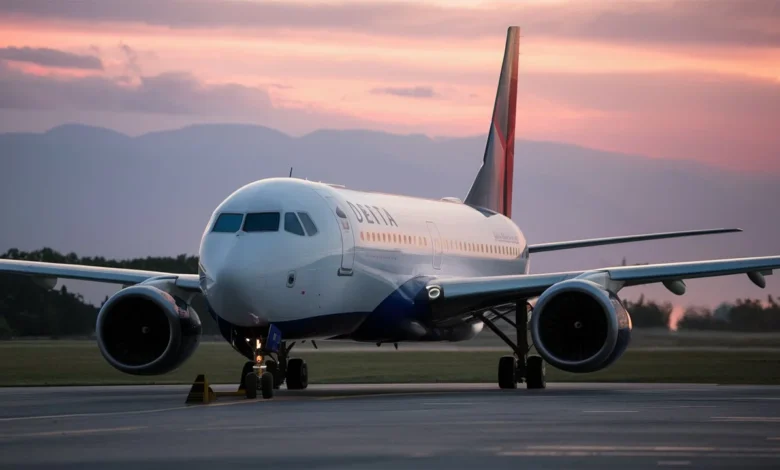
Air travel is often described as one of the safest modes of transportation, yet when an emergency occurs midair, it quickly becomes headline news. The Delta Connection DL3543 emergency landing is one such incident that sparked concern, curiosity, and plenty of discussion among passengers and aviation enthusiasts alike. While emergency landings are rare, they are not unheard of, and when handled correctly, they demonstrate the strength of modern aviation safety systems.
In this article, we’ll take a detailed look at what an emergency landing typically involves, the possible reasons behind incidents like Delta Connection DL3543 Emergency Landing, how airline crews respond under pressure, and what this event teaches us about flight safety. Let’s break it down step by step.
Understanding Delta Connection and Flight DL3543
Before diving into the delta connection dl3543 emergency landing itself, it’s important to understand what “Delta Connection” means. Delta Air Lines operates many of its regional flights under the “Delta Connection” brand. These flights are typically operated by regional airline partners using smaller aircraft that connect passengers to major hubs.
Flight delta connection dl3543 emergency landing was one of these regional services. Like most Delta Connection flights, it was likely operated on a short- to medium-haul route using a regional jet. These aircraft are designed for efficiency and flexibility, often serving routes that larger planes cannot operate profitably. Despite their smaller size, they adhere to the same strict safety standards as mainline flights.
Regional flights sometimes get less attention than international or long-haul routes, but they are just as important in maintaining the airline’s network. When something unusual happens, such as an emergency landing, it naturally raises questions about aircraft condition, pilot training, and operational protocols. That’s exactly why the DL3543 incident became a topic of interest.
What Is an Emergency Landing?
An Delta Connection DL3543 Emergency Landing sounds dramatic—and sometimes it is—but in many cases, it is simply a precautionary action taken by pilots. Aviation professionals are trained to prioritize safety above everything else. If there is even a small indication that something may not be functioning normally, they may decide to land the aircraft as a preventive measure.
delta connection dl3543 emergency landing can occur for several reasons. These include mechanical issues, unusual engine readings, hydraulic system alerts, cabin pressurization problems, bird strikes, or even medical emergencies involving passengers. Not all emergency landings are caused by major technical failures. In fact, many are executed out of an abundance of caution.
When pilots declare an emergency, air traffic control gives them priority handling. This means quicker routing, immediate clearance to land, and emergency crews standing by at the airport. The goal is to minimize risk and ensure the aircraft lands safely. In the case of delta connection dl3543 emergency landing, the situation reportedly required such a precautionary landing, which, importantly, was completed safely.
Possible Causes Behind the Delta Connection DL3543 Emergency Landing
Although official details sometimes take time to emerge, incidents like the Delta Connection DL3543 emergency landing often stem from technical alerts or irregular system readings. Modern aircraft are equipped with advanced monitoring systems that immediately notify pilots if something deviates from normal parameters.
One common cause of emergency landings is engine-related warnings. These do not necessarily mean engine failure. Sometimes it’s a sensor reading that suggests abnormal temperature or pressure levels. In such cases, pilots follow standard operating procedures, which may include shutting down the affected engine and diverting to the nearest suitable airport.
Another possibility is a cabin pressurization issue. If cabin pressure levels fluctuate unexpectedly, pilots may descend to a safer altitude and land as soon as possible. While these events can feel alarming to passengers, the crew is extensively trained to manage them calmly and efficiently. The fact that Delta Connection DL3543 Emergency Landing safely indicates that established procedures worked exactly as intended.
How Flight Crews Handle Midair Emergencies
The aviation industry invests heavily in pilot training. Every commercial pilot undergoes simulator training for emergency scenarios multiple times per year. These sessions replicate engine failures, system malfunctions, severe weather, and other challenging conditions. By the time pilots are operating commercial flights, they have practiced emergency landings countless times in controlled environments.
Cabin crew members also play a critical role. During an emergency situation, flight attendants ensure passengers remain calm, seated, and prepared for landing. Clear communication is essential. When passengers are informed properly, panic is significantly reduced.
In the case of Delta Connection DL3543 Emergency Landing, the professionalism of the flight crew was evident in the outcome. The aircraft landed without reported injuries, which speaks volumes about crew coordination, adherence to protocol, and effective communication with air traffic control.
Passenger Experience During an Emergency Landing
From a passenger’s perspective, an Delta Connection DL3543 Emergency Landing can feel frightening. The word “emergency” alone triggers anxiety. However, it’s important to understand that the aviation system is designed with multiple layers of redundancy. Aircraft can continue flying safely even if one component malfunctions.
Passengers on flights like DL3543 might notice changes such as a sudden descent, altered engine sounds, or the presence of emergency vehicles upon landing. While these signs can be unsettling, they are part of standard safety procedures. Emergency crews are often positioned on the runway as a precaution, not necessarily because the situation is catastrophic.
After landing, passengers are typically deplaned safely and assisted with rebooking or accommodations. Airlines like Delta prioritize customer care in such situations, aiming to minimize inconvenience while ensuring safety remains the top priority.
The Role of Aircraft Maintenance and Safety Protocols
Modern commercial aircraft undergo rigorous inspection schedules. Airlines follow maintenance programs approved by aviation authorities, ensuring that every system is checked regularly. Even minor technical alerts are investigated thoroughly after landing.
When a flight like Delta Connection DL3543 Emergency Landing performs an emergency landing, the aircraft does not simply return to service immediately. Maintenance teams conduct detailed inspections to determine the root cause. This may involve reviewing flight data recordings, examining mechanical components, and running diagnostic tests.
Such thorough follow-ups contribute to aviation’s impressive safety record. Each incident, even minor ones, provides data that can improve procedures, update training, or refine maintenance protocols. In many ways, these events strengthen the system rather than weaken it.
Media Coverage and Public Reaction
Incidents involving airlines often attract significant media attention. Social media amplifies reports quickly, sometimes before verified details are available. While public interest is understandable, early reports can occasionally exaggerate the severity of a situation.
In the case of the Delta Connection DL3543 emergency landing, the key takeaway is that the flight landed safely and no major injuries were reported. That outcome reflects a well-functioning safety framework. However, online discussions often focus more on the dramatic aspect of the event rather than the successful resolution.
For frequent travelers, it’s helpful to remember that Delta Connection DL3543 Emergency Landing are rare compared to the millions of flights that operate smoothly each year. Context matters. Aviation remains statistically safer than many everyday activities.
What This Incident Teaches Us About Aviation Safety
The Delta Connection DL3543 Emergency Landing event reinforces a crucial point: emergency landings are evidence of caution, not failure. Pilots are empowered to make conservative decisions. If something doesn’t look or feel right, they land. That proactive mindset is exactly what keeps passengers safe.
It also highlights the strength of aviation’s layered safety system. From onboard diagnostics and pilot training to air traffic coordination and ground emergency response, multiple systems work together seamlessly. When all these elements align, even unexpected situations can be resolved without harm.
Ultimately, the Delta Connection DL3543 emergency landing serves as a reminder of how resilient modern air travel is. While the word “emergency” may grab attention, the safe outcome tells the real story—one of preparation, professionalism, and precision.
Final Thoughts
Air travel is built on preparedness. The Delta Connection DL3543 emergency landing may have caused temporary concern, but it also demonstrated how effectively the aviation industry handles unforeseen situations. Every emergency procedure exists for a reason, and when used, it often means the system is working exactly as designed.
For passengers, the takeaway is simple: trust the process. Pilots, crew members, engineers, and air traffic controllers all share one goal—getting everyone safely to their destination. In the case of Delta Connection DL3543 Emergency Landing, that mission was accomplished successfully.
You May Also Read